Showing posts with label tourism. Show all posts

Monday, 9 February 2026

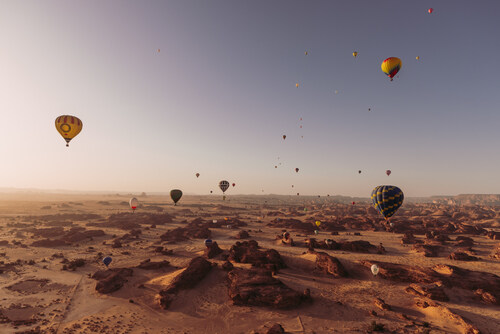
Explore limited-time offers in KSA's Red Sea and AlUla

Saudi, Welcome to Arabia, the consumer-facing brand of the Saudi Tourism Authority (STA), has unveiled a new collection of travel deals for early 2026 as part of its global Ramadhan campaign, Embrace the Radiance of Ramadan Lights.

These limited-time offers provide exceptional value across Saudi's most iconic destinations, giving travellers broader access to night itineraries designed specifically for the season.

Source: Saudi, Welcome to Arabia. People taking a picture at AlUla’s Hegra (left), and people gathered around a fire (right).
Source: Saudi, Welcome to Arabia. Sunlit moments unfold at AlUla’s Hegra (left) while a fire sets the scene for star-gazing (right).

Saudi, Welcome to Arabia and its partners are rolling out luxury-made-affordable Ramadhan offers across the Red Sea and AlUla. With over 35 curated packages, travellers can enjoy Ramadhan pricing across more than 12 properties. 

Guests can enjoy savings of up to 35% in spectacular natural settings, including at Banyan Tree AlUla, Our Habitas AlUla, Ashar Tented Resort, Chedi Hegra, and at the Shaden Resort. Those visiting the Red Sea can benefit from 20% savings at standout properties such as Desert Rock and Shebara, creating opportunities to experience restorative wellness, contemporary design, and unforgettable coastal and heritage-rich escapes.

In Ramadhan, Saudi adds an extra layer of warmth, beauty, and celebration to its destinations. Throughout Ramadhan, visitors to KSA can enjoy night markets, festive streetscapes, beautiful iftar (break fast) and suhoor (pre-dawn meal) settings plus opportunities for heritage exploration and adventure in Riyadh, Jeddah, and Diriyah.

Saudi Tourism Authority spokesperson Abdullah AlDakhil said: "Saudi welcomes travellers with an invitation to discover more and connect with the true essence of Ramadhan, a season defined by tranquility, reflection, and the warmth of shared moments. Across Saudi, cities come alive with Ramadhan lights, cultural traditions, and a unique atmosphere of serenity and joy. 

"This year, we are delighted to introduce a curated collection of seasonal luxury travel offers across Saudi's most iconic destinations, making it easier than ever for travelers to experience the beauty and spirit of Ramadhan in Saudi."

KSA hosted over 122 M visitors in 2025, and is advancing toward its goal of being among the top 10 tourism destinations.  

Explore

Deals and packages on the Visit Saudi website at https://www.visitsaudi.com/en/campaigns/ramadan-lights

Sunday, 14 September 2025

An invitation to journey in the Prophet's footsteps

KSA's cultural legacy allows the kingdom to offer travellers some of the richest and most meaningful experiences on earth.

Source: Ala Khotah website. Key details for the trail.

One such experience is launching in November 2025, reflecting the kingdom's deep commitment to the two holy cities, as part of its care for the Two Holy Mosques and the guests of Allah. Ala Khotah, meaning In the Prophet’s Footsteps, brings to life the hijrah (الهجرة) or migration of Prophet Muhammad (ﷺ) and his companion Abu Bakr Al-Siddiq.  

Through this initiative, travellers will have the opportunity to experience their journey from Makkah to Madinah themselves. The 470 km trail passes through 59 historical and enrichment stations, 41 historical landmarks and five key event locations. Key experiences  include visits to historical sites, camel riding, cultural workshops, as well as event reenactments using augmented reality. 

For Indonesian travellers, visiting KSA is now more accessible. Holders of a valid UK, US, or Schengen visa, complete with an entry stamp from the issuing country, can apply for an e-visa or visa on arrival. Umrah pilgrims can explore beyond the holy cities as well.

Details

Register your interest at https://alakhutah.com/

Friday, 25 April 2025

JETCO strengthens Johor-Singapore cross-border partnership

Source: JETCO. From left: Saifuddin Bin Abdul Rahim, CEO, JETCO; Syed Ali Alsagoff, VP, Singapore Concierge Association; Dato’ Haji Hasni Mohammad, Executive Chairman, JETCO; and Raven Kumar Krishnasamy, Johor State Unity, Heritage And Culture Committee Chairman.

Johor Economic, Tourism and Cultural Office Singapore (JETCO) has been solidifying Johor as a destination within the Singapore tourism landscape with a number of collaborations, including:

A digital tourist counter

Established at Suntec City with WTS Travel, the counter enhances accessibility for travellers by providing real-time travel information and seamless booking services for Johor-bound visitors within a key Singapore retail hub. 

Johor Tourism Ambassador Program 

Set up with Les Clefs d'Or Singapore and the Concierge Association Singapore, the programme equips concierge professionals with in-depth knowledge of Johor's tourism offerings, enabling them to serve as tourism ambassadors and direct more travellers to the state. 

These initiatives align with Johor's vision to strengthen tourism ties with Singapore, especially in preparation for Visit Johor Year 2026, which is expected to attract a surge of international visitors. 

In his welcome address, at a recent  Table Talk session, YB Dato' Hasni Mohammad, Executive Chairman of JETCO, said that the goal is to turn "transit visitors into extended-stay tourists and day-trippers into repeat guests". 

He said: "Johor and Singapore share more than just a border - we share a common vision for tourism growth, and JETCO is here to ensure that vision becomes reality. JETCO serves as the bridge between Johor and Singapore, the driving force behind tourism promotion, and the facilitator of partnerships that benefit both destinations." 

Singaporean tourists are expected to take relatively short trips across the border. For such visitors, Johor offers resorts such as Desaru Coast, theme parks including Legoland and Sunway X-Park, as well as value for dining, shopping, and leisure.

For tourists flying into Singapore, Johor could be an additional destination to a Southeast Asian itinerary. The Malaysian state is less than an hour's drive away and offers beaches, rainforests, and rich cultural heritage.

Johor is also a paradise for golfers, home to 27 world-class golf courses that cater to both amateur and professional players. 

"Let's start a conversation, explore partnerships, and make Johor the next big destination in your portfolio," the Executive Chairman concluded. 

YB Raven Kumar Krishnasamy, Johor State Executive Councillor (EXCO) for Unity, Heritage and Culture said: "As we gear up for Visit Johor Year 2026, it is vital that we work closely with our trade partners in Singapore to enhance connectivity, promote new travel experiences, and ensure seamless access to Johor's attractions. These collaborations demonstrate our commitment to making Johor a top-of-mind destination, and we look forward to deepening these ties for mutual growth." 

JETCO is a Johor State Government agency that provides trade partners with market insights, promotional support, and seamless connections to Johor's best offerings. The organisation is committed to fostering strong cross-border tourism and economic partnerships, and invites more industry players to join forces in developing innovative and sustainable travel experiences for visitors. 

Wednesday, 12 February 2025

Changing perceptions about KSA as a destination

Source: YouGov website. Statistics on public opinion about KSA.

Recent data from YouGov, based on surveys conducted across 17 international markets*, has revealed that half of all global respondents have seen a change in their perception of KSA as a travel destination over the past twelve months. These respondents are divided, with 15% reporting a more positive view and 15% a more negative one.

Globally however, Eastern countries generally favour tourism to KSA more than Western countries, YouGov said. Among Asians, perceptions of the country as a travel destination have become more positive in the past twelve months. Notably, 42% of Indians, 37% of Indonesians, and 31% of Hong Kong residents reported that their perception of KSA has become more positive, compared to 54% of UAE residents, where the positive sentiment is the strongest. In contrast, many Westerners have not changed their view.

Globally, opinions on travelling to KSA are divided, with nearly half stating they have neither considered visiting in the past nor thought of doing so in the future.

Compared to the past 12 months, respondents worldwide are more likely to travel to KSA for leisure rather than for business. Residents of the UAE expressed the strongest interest in both types of travel, though with a stronger inclination towards leisure. Indians and Indonesians also showed significant interest, primarily for leisure travel.

YouGov data revealed that cultural tourism is expected to be the top factor influencing future visits to KSA, as cited by 19% of global consumers. This appeal is particularly strong among Hong Kong residents (39%), Indians (34%), UAE residents and Mexicans (31% each). Other reasons for travelling to KSA include luxury getaways, religious tourism, and adventure activities (11% each). Indonesians, in particular, are highly motivated to visit for religious purposes (60%), surpassing even UAE residents (45%).

The country's recent investments in sports infrastructure and events appear to have generated interest, with nearly one in ten global consumers (8%) indicating they are likely to visit for sporting events. The highest interest is seen in Hong Kong, where 23% consider it a key attraction.

*YouGov Surveys: Serviced provides quick survey results from nationally representative or targeted audiences in multiple markets. The data is based on surveys of adults aged 18+ years in 17 markets with sample sizes varying between 510 and 2,011 for each market. All surveys were conducted online during November 2024. Data from each market uses a nationally representative sample apart from Mexico and India, which use urban representative samples, and Indonesia and Hong Kong, which use online representative samples.

Sunday, 23 January 2022

Wego, Saudi Tourism Authority to promote KSA as a preferred tourist destination

Source: Wego. Riyadh skyline.

Wego, the largest online travel marketplace in the Middle East and North Africa (MENA), and Saudi Tourism Authority (STA) have announced a strategic partnership to inspire Middle East holidaymakers to visit Saudi after more than a year of hiatus.

Wego and the Saudi Tourism Authority will collaborate to drive tourist traffic from the region to Riyadh and Jeddah; its sand dunes, mountains and desert oases; as well as its Red Sea coastline.

Mamoun Hmedan, Chief Commercial Officer and MD, MENA and India, Wego, said: "This new collaboration reflects our commitment to boost tourism in the region, to a destination that is unlike anywhere in the world. Since the date of the flight resumption announcement to Saudi, we keep seeing a strong demand for the flight and hotel searches and bookings to the country from the region. Around 4 million flight searches were recorded on our platform in October 2021."

The top MENA countries dominating searches on KSA include UAE, Kuwait, Jordan and Oman. Wego data shows that around 65% of people are searching for a stay of around three days. Three quarters of the searches (76%) are for solo travel, followed by families and couples.

Ahmed Elbahr, Director Middle East & Africa, Saudi Tourism Authority, said: "As we continue to expand and grow our presence, not only in the region but also internationally, the Middle East and Africa will continue to be one of the most important priority source markets for Saudi."

"Saudi is on a journey to building a leading global destination and partnerships play a critical role in increasing awareness and driving conversion so that more travellers are able to experience Saudi's unique culture and heritage, untouched natural landscape and abundance of entertainment offerings."

Saudi's tourism campaigns include Riyadh Seasons in October. The largest lifestyle event in the world has 13 family-friendly zones, 7,500 events and hundreds of restaurants around the city.

Travellers who are fully vaccinated with Saudi and WHO-approved vaccines will be allowed to enter the country without the need for an institutional quarantine period. Saudi has approved nine Covid-19 vaccinations for entry: AstraZeneca, Covishield, SK Bioscience, Vaxzevria, Pfizer-BioNTech, Comirnaty Moderna, Spikevax and Johnson & Johnson. Tourists will also have to carry a negative RT-PCR Covid-19 test taken within the last 72 hours and register their details with health authorities.

Friday, 11 December 2020

Qatar National Tourism Council shares insider tips for Doha visitors

The Qatar National Tourism Council (QNTC) has revealed its top 10 tips for those seeking an authentic Middle Eastern experience in the country.

Qatar National Tourism Council Secretary General and Qatar Airways Group Chief Executive HE Akbar Al Baker said: "Here in Qatar, we take pride in our cultural heritage and look forward to every opportunity to share it with our international guests.

"As part of the Qatar National Vision 2030, which aims to bring prosperity to our nation, we've worked hard to ensure all visitors enjoy the highest standards of hospitality and service during their stay. We are continually strengthening our tourism offer as we welcome visitors to our country in 2021 and beyond."

From an insider's perspective:

1. The art of qahwa

Sharing coffee or qahwa (قَهوة) is an important part of Qatari social life, and the traditions around serving it are a testament to Qatar's famed hospitality. Coffee is always served from a traditional tall coffee pot known as a dallah (دلة) and poured in a finjan (فنجان, a cup the size and shape of a Chinese teacup). Locals always hold their cup in the right hand and avoid filling the drink right to the top. Coffee drinking is so embedded in Qatari culture that it is considered impolite to refuse a cup.

2. A tip for dinner

Hosting guests for shared meals is a fundamental part of Qatari culture, with dining together a foundation of family and social life. Locals will only pass food with their right hand – so following this tradition will impress Qatari hosts. One of the best places for a traditional Qatari meal is Shay Al Shoomos, located within the Souq Waqif in the capital Doha. 

Guests can sample a range of local specialties including marquqa (المرقوقة), small pieces of bread mixed with sauce and cooked vegetables, and reqaq (خبز الرقاق), a traditional Arabic crepe (you can order reqaq made to order on a griddle at Souq Waqif).

3. A sip or two

Tourists can enjoy their favourite beverage in hotel restaurants across the country. It's worth visiting Nobu Doha, which overlooks the Arabian Sea and the capital's skyline, making it the perfect setting at sunset. Alternatively, La Cigale, voted the leading dining and entertainment experience in both Qatar and the Middle East, has a 15th-floor rooftop terrace to enjoy the view by sunshine or starlight.

4. The holy month

Ramadhan and its fasting is one of the five pillars of the Islamic faith, and it's respectful for those not observing it to be mindful of worship and fasting times. Ramadhan takes place at a different time every year. Its 30 days begin and end depending on the sighting of the moon. The month is observed by Muslims in Qatar and around the world and is used as a time of prayer, community and fasting. 

When the month ends, all come together for Eid al-Fitr – a period of celebration filled with feasting, storytelling and games. Should a visit to Qatar fall at this time, it's worth checking the fasting times so you can celebrate breaking the fast with the locals at sunset.

5. Dress to impress

Qatar is relatively relaxed around dress, although it's recommended for both men and women to cover their shoulders and knees. For those wanting to hop into a swimsuit and catch some rays, there are plenty of places to do so at private hotel pools or beaches. These include the Aleph Doha Residences by Hilton, which features Doha's highest swimming pool, or the St Regis Doha, with its pristine white sand private beach.

6. And, relax

Wellness is well-rooted in Middle Eastern and Arabic culture, with the use of hammams (حمّام, baths) dating back to the Middle Ages. For anyone looking to sit back and unwind on their visit to Qatar, there's an abundance of spas to choose from with a wide range of relaxing treatments and amenities. The Sharq Village & Spa in Doha is recommended for its Ultimate Hammam Experience while the Zulal Wellness Resort, located in the most northern point of the country, is the largest of its kind in the region.

7. Mother tongue

While the majority of people speak English in Qatar, the official language is Arabic. Learning a few words or phrases can demonstrate an interest in the country. The word for 'hello' is 'marhaba' (مرحبا) and 'thank you' is 'shukran' (شكرا). For guests wanting to immerse themselves in Arabic culture, a visit to the National Museum of Qatar or the Museum of Islamic Art is not to be missed.

8. Hand-drawn henna

Considered a sunnah (سنة; a commendable Islamic practice), and used to decorate women's hands, henna tattoos are mostly worn for special celebrations, such as weddings or Eid. Each pattern is unique and many families host henna night celebrations. To get a henna tattoo, visit Souq Waqif where henna stalls operate throughout the year.

9. Holiday fun in Ramadhan

On the 14th day of Ramadhan, Qataris celebrate Garangao (قرنقعوه), a fun tradition for children to recognise their fasting efforts. During Garangao, after the sunset prayer, children dress up in traditional clothes, carry a decorated bag, and visit their neighbourhoods singing Garangao songs, and collect treats, such as sweets or nuts. For those visiting Qatar with children during this time, there are ways to get involved with celebrations held across the country, including at the National Museum of Qatar or the Mall of Qatar.

10. Bird spotting

A view of the Falcon Souq in the evening, framed through an arch (2012).
A view of the Falcon Souq (2012).

Falconry plays a vital role in the region's history and is recognised by UNESCO as a living human heritage. The birds are trained to hunt and follow the commands of their handlers – the Bedouins. Travellers can visit the Falcon Souq, where these elegant birds sit on perches. There is an annual Qatar Falconry Festival, held in January.

Details:

Read about the culture and traditions of Qatar

Monday, 3 August 2020

Mastercard, CrescentRating analyse travel readiness in ASEAN ahead of COVID recovery

Mastercard and CrescentRating have released their joint report on travel readiness, The Travel Readiness Report:COVID-19 in ASEAN 2020.

The report aims to better aid destinations and travel stakeholders prepare for future travel in all possible scenarios. According to Mastercard and CrescentRating, the frameworks and concepts in the report can drive strategic solutions to resuscitate travel and can also be applied to destinations outside of ASEAN.

Source: The Travel Readiness Report:COVID-19 in ASEAN 2020. Cover for the report.

"Over the last few years, April/May has been the time that we have released the Mastercard-CrescentRating Global Muslim Travel Index (GMTI). However, this year, given the current crisis, we have prioritised the release of this new Travel Readiness Report to help all stakeholders better frame the impact of COVID-19 on our industry and help build scenarios for future travel. We still do plan to release GMTI 2020 in the 4th quarter of this year," explained Fazal Bahardeen, Founder & CEO, CrescentRating.com and HalalTrip.com, in the foreword for the report.

"Our previous reports have focused on how the general industry can better cater to the Muslim travel market, and we continue to focus on this area closely. However COVID-19 has impacted everyone and created new gaps. These demanded more robust frameworks and new ways of thinking to manage the complexity and drive strategic solutions to help resuscitate travel," he added.

"According to recently-conducted Mastercard Impact Studies, confidence in travel has started rising across the world, especially in Southeast Asia. While most people have had to cancel or delay trips, these studies have shown that more than half the people across Asia Pacific are going to plan for future trips when travel restrictions have lifted. While countries have started slowly easing restrictions on movement and travel, this comes with heightened safety measures and protocols in place that were never there before. While the travel sector is gearing up for these measures, they need to ensure that they are prepared to meet the new needs of customers," observed Safdar Khan, Division President Southeast Asia Emerging Markets, Mastercard, in the same foreword.

"As we all prepare for a new normal, there is a need for reliable data insights that can help sectors plan and future-proof their businesses. 2020 is our sixth year partnering with CrescentRating to develop in-depth reports that serve as a beacon for businesses and governments who are looking to bolster their travel offerings and bring memorable experiences to their end-customers. We trust this report can help the tourism industry craft strategies that will make them more digital, resilient, agile, and flexible to changing consumer needs, and successfully navigate the difficult—but not insurmountable—challenges of the future," he said.

The two companies note that tourism has been a key economic and GDP contributor in ASEAN, and a source of revenue for many small businesses, but this has changed since the COVID-19 pandemic hit. They believe that even after restrictions on movement and travel are lifted, heightened safety measures and protocols will be implemented by all nations.

The need to better understand the trends and how the tourism industry can prepare for the new world and the inevitable change in consumer needs was the impetus for the research.

Based on expert analysis and data from leading organisations, The Travel Readiness Report by Mastercard and CrescentRating offers players and stakeholders in the travel and tourism sector in-depth insights into various areas - from how COVID-19 has affected household finances in the region, to mapping out different recovery trajectories, to providing concrete courses of action for businesses in the tourism industry to move forward with greater confidence.

The report also provides insights for destinations to plan their COVID-19 recovery roadmap along four key phases: Containment, Recovery, Normalization and Growth.

In a segment on Muslim travellers in ASEAN, the report profiled three Muslim traveller categories and how they have been impacted by COVID-19: Muslim Millennials, Muslim Gen Zers, and Muslim women travellers.

Defined as those born between 1981 to 1994, Muslim Millennial travellers (MMTs) are are dealing with career progression and starting a family while their employees adjust work arrangements and cut salaries in order to retain jobs. "Travel is no longer accessible, and the availability of authentic experiences is questionable in the near future. Thus, MMTs are forced to prioritise economic stability over trip planning," the report said.


Defined as those born between 1995 to 2009, Gen Zers are also affected badly when it comes to travel, the report added.

Women travellers are hard-hit when the ailing travel and tourism industry is woman-dominated. The COVID-19 fallout has meant that more women are either being displaced or are facing wage-cuts during the pandemic, and their wages are usually lower than men's in the first place.

"Additionally, gender roles and expectations render women to be responsible of household affairs. Thus, the potential of Muslim women travellers to explore and energise communities is severed during the pandemic," the report said.
 
The report further noted that such travellers represent 21% of the domestic tourist and 43% of the intra-ASEAN travellers, due to the large Muslim travel outbound markets from Indonesia and Malaysia travelling to neighbouring destinations. Outbound travellers leave their home country to travel to other countries.

"With its strength as one of most Muslim travel-friendly regions in the world, ASEAN could benefit from this segment of travellers as intra-regional travel opens up," the report said.

Report authors further noted that Malaysia and Indonesia are ranked a joint first in last year's Mastercard-Crescentrating Global Muslim Travel Index (GMTI) 2019. ASEAN countries Brunei and Singapore along with Malaysia and Indonesia occupy four of the top 10 ranked destinations in the GMTI.

"This strength allows ASEAN destinations to position strongly to attract the Muslim market as travel opens," the report concluded.
Details:

Read the report (PDF).

Hashtags: #AseanTravel, #TravelReadinessASEAN

Thursday, 23 July 2020

Dubai tops Medical Tourism Index: Arab Destinations for 2020-2021

- 2020-21 Medical Tourism Index released during COVID-19 global pandemic

- Dubai maintains its authority as top Arab destination for the second edition in a row

- Dubai and Abu Dhabi significantly rise in rankings in the Global Medical Tourism Index

Source: International Healthcare Research Center. The Medical Tourism Index: Arab Destinations.

The International Healthcare Research Center (IHRC) has published a special edition of its Medical Tourism Index (MTI) that specifically focuses on destinations from the Arab world. This compilation is part of the larger 2020-2021 Global Medical Tourism Index, which covers 46 destinations across five continents. Twelve of the destinations are included in the Arab Medical Tourism Index, including UAE cities Dubai and Abu Dhabi, Oman, Egypt, Morocco, Bahrain, KSA, Jordan, Tunisia, Qatar, Lebanon, and Kuwait.

Dubai, which was also recognised as the top Arab destination in 2016, has retained its position as the top destination in the Arab world. It is also top in the Middle East, according to the index. Dubai rose 10 slots to No. 6 in the global ranking while Abu Dhabi leaped up16 points to No. 9 of 46 destinations ranked in the 2020-2021 Global Medical Tourism Index. Destinations are judged on over 40 criteria for industry success, including Patient Experience, Medical Tourism Industry, Cost, and Safety.

"We are not surprised to see both Dubai and Abu Dhabi rise in the 2020-2021 Global Medical Tourism Index and to be at the top of the Arab Index, ranked #1 and #2, respectively. Both emirates have strong, committed leadership through Dubai Health Authority and the Department of Health Abu Dhabi, and are supported by the government of the UAE in its medical tourism initiatives.

"Both emirates are driven to become global leaders in healthcare with sustainable growth strategies in the medical tourism and wellness travel industries," said Renée-Marie Stephano, one of the developers of the Index, and CEO of Global Healthcare Resources. Global Healthcare Resources and IHRC are industry research partners.

"The return on investment is obvious in the rankings when the government and private sector come together with a singular focus to transform the perception of a destination for medical tourism through accountability, commitment to quality and accreditation, and dedicated marketing and business development initiatives," added Stephano.

Medical tourism has resulted in significant investment in and the development of healthcare cities and centres of excellence as destinations compete to global leaders in healthcare delivery. MENA is a critically important area to study for a variety of reasons, IHRC said. Historically, many of the economies in the region have relied on petroleum development and the energy sector, but modern conservation movements have made clear the need for economic diversity in many of these countries. Arab destinations – particularly those in the GCC – have diverted revenue streams and sought to build up healthcare and tourism infrastructure, in a bid to capitalise on the US$100 billion medical tourism industry.

The Arab Index highlights the many strengths of the region, including easy-access medical visas, integrated hospitality offerings, unique sightseeing opportunities, state-of-the-art facilities, and exploding private capital sectors.

"The COVID-19 novel coronavirus has put both inbound and outbound Arab medical tourism on hold temporarily. Each nation has developed its own approach containing the virus and reopening. The future rankings and index in the Arab nations may look significantly different in the future depending on how well each nation addresses COVID-19 and recovers economically, inevitably, medical travel will rely upon public private partnerships and solid collaboration now more than ever before," said Stephano.

Currently, billions of dollars are spent every year on medical travel into and out of the GCC and MENA, IHRC noted. As patient mobility returns, new patterns of referral will create new opportunities and challenges related to trust and safety, requiring the entire medical tourism sector to come together.

Organisations like Global Healthcare Accreditation are already taking the lead to frame consumer confidence in healthcare destinations through its COVID-19 Guidelines and Certification of Conformance for Medical Travel. Accreditation programmes for medical travel likely will have a positive result on destination rankings which delineate safety and trust among the most important criteria in selecting a medical tourism destination.

The International Healthcare Research Center (IHRC) is a non-profit research organisation which aims to promote transparency and improve global healthcare quality, population health management, expanded access to care, and the consumer healthcare experience.

Reaching over 2.6 million professionals, Global Healthcare Resources is a consulting firm providing strategic execution within the industries of employer healthcare, medical tourism, wellness tourism, self-insurance, and corporate wellness.

Explore:

The Medical Tourism Index is available for purchase at a temporarily discounted price at MedicalTourismIndex.com. The Arab Index is available as an add-on at checkout.

Monday, 27 January 2020

Saudi winter packages launched

Source: SCTH. Sun, sand and snow simultaneously in KSA.

"Winter in Saudi means you can experience the sun, the sea and the snow all in one place," says the Visit Saudi website. A new set of tourism packages have been launched by the Saudi Commission for Tourism and National Heritage (SCTH) in cooperation with six tour operators during the Saudi winter.

The Saudi Winters Experience tours are curated to highlight archeological and historical sites, events, significant landmarks, as well as traditional markets and shopping malls. Packages range from one to seven days in duration, covering a variety of sites and destinations in Riyadh, Jeddah, Dammam, Tabouk and nearby areas.

Reservations, transportation, hospitality and tour guide services will be offered at affordable rates.

Details:

Browse Saudi winter packages

Friday, 15 November 2019

Case study on halal tourism released by ResearchAndMarkets.com

The Case Study: Halal Tourism - An insight into a growing niche tourism trend report has been added to ResearchAndMarkets.com's offering.

The halal tourism market has jumped from 140 million travellers in 2018 to an estimated 230 million in 2026, representing US$300 billion in travel expenditure, excluding the Hajj.
Travellers opting for halal travel expect offerings that match their faith, with nothing haram (حَرَام, forbidden by the religion) in the hotel. However, authors say that focusing only on the halal (حلال, permitted) part of the offering would be an error. In addition to religious requirements, Muslim travellers also want a high-quality offering and have similar expectations to other tourists.

This case study looks at the emergence of halal tourism, the reasons for it, and how tourism operators can tap into this market.

Brands mentioned in the report include:
  • Agoda
  • Emirates
  • HalalBooking
  • Muzbnb
  • Saudia
  • Tripfez
Details:

Buy the GlobalData report (September 2019)

Thursday, 13 December 2018

First-ever Indonesia Muslim Travel Index names Lombok as key destination for halal tourism

- Indonesia launches travel index* to position as itself a leader in the US$220 billion Muslim travel marke

- The Mastercard-CrescentRating Indonesia Muslim Travel Index (IMTI) 2018 benchmarks 10 Indonesian provinces on their readiness to welcome Muslim tourists

- IMTI reveals that Lombok, Aceh, and Jakarta as key destinations for halal tourism

Source: Crescentrating website. IMTI   2018 report cover.
Source: Crescentrating website. IMTI 
2018 report cover.

The Mastercard-CrescentRating Indonesia Muslim Travel Index (IMTI) 2018 has been launched in Jakarta by Pak Arief Yahya, Minister of Tourism, Indonesia, with the aim of-fast tracking the development of its provinces to welcome Muslim tourists. The country has a target of welcoming 5 million Muslim tourists in 2019. 

The IMTI benchmarks Indonesian provinces in four strategic areas – access, communications, environment and services – and tracks the health and the growth of the travel segment across the country. The 10 provinces covered in this years’ index are Aceh, the Riau Islands, West Sumatra, Jakarta, West Java, Central Java, Yogyakarta, East Java, South Sulawesi and Lombok (West Nusa Tenggara). The IMTI is part of the Mastercard-CrescentRating Global Muslim Travel Index (GMTI) Series of reports.

The inaugural IMTI reveals that Lombok, Aceh, and Jakarta are new key destinations for halal tourism. 

In 2016, a Halal Tourism Acceleration and Development Team was set up by the Ministry of Tourism in Indonesia to address the development and promotion of halal travel in the country amidst rising competition from other countries developing their own halal tourism initiatives. Indonesia has worked to develop infrastructure and services to attract the Muslim tourist and has consistently improved its global position in the GMTI, from 6th place in 2015 to 2nd place in 2018.

Best known for its pristine beaches and home to over a thousand mosques, Lombok has been at the forefront of developing the destination for halal tourism. The regional authorities have shown strong commitment to educate the stakeholders and promote the destination as a Muslim-friendly destination.

Indonesian Tourism Minister Arief Yahya said, “IMTI is an important milestone to achieve the halal tourism target by 2019, including becoming the No. 1 halal destination and attracting 5 million foreign Muslim travelers, 25% of the overall 2019 foreign visitor target.”

Global Muslim traveller expenditure is projected to reach US$220 billion in 2020 according to GMTI 2018. It is expected to grow a further US$80 billion to hit US$300 billion by 2026. In 2017, there were an estimated 131 million Muslim visitor arrivals globally - up from 121 million in 2016 - and this is forecast to grow to 156 million visitors by 2020, representing 10% of the global travel segment.

Halal tourism is key to Indonesia’s economic growth and it is prospected to be the country’s biggest foreign exchange source in the future. The travel index highlighted recommendations for innovation and growth in the Muslim travel segment in Indonesia. Recommendations included improving connectivity and infrastructure as well as building online content and resources to attract more international tourists, while improving the country’s overall global halal destination branding.

“Given its natural beauty and cultural richness, tourism offers a huge growth opportunity for Indonesia. With its standing as the world’s most populous Muslim country, Indonesia has the core infrastructure and environment in place to cater to the needs of Muslim travelers. IMTI 2018 insights will enable the regions within Indonesia to build on their strengths to better cater to the requirements of Muslim travelers," said Fazal Bahardeen, CEO of CrescentRating & HalalTrip.

“Mastercard and CrescentRating have collaborated since 2015 to create a suite of comprehensive research material offering invaluable insights on the halal travel sector. These in turn enable governments and the tourism industry to better cater to the needs of Muslim travelers. Indonesia has done a wonderful job in enhancing the country’s tourism landscape and infrastructure. The IMTI is an innovative partnership between the public and private sector which aims to empower provinces with the information they need to continuously improve their local travel industry,” said Safdar Khan, Division President Indonesia, Malaysia and Brunei, Mastercard.

IMTI 2018 Rank
Province
Score
1
Lombok (West Nusa Tenggara)
58
2
Aceh
57
2
Jakarta
56
4
West Sumatra
55<
5
Yogyakarta
51
7
West Java
51
6
Riau Islands
50
8
East Java
48
9
Central Java
47
10
South Sulawesi
30

Details:

Read the report

Explore:

Read the Suroor Asia blog post about building a halal-friendly tourism industry in Indonesia

Hashtag: #IMTI2018

*Key metrics for IMTI 2018 include access, which comprises of infrastructure; communications, which looks at how destinations market themselves to the target audience; environment, one which is welcoming of Muslim visitors; and services. Each criterion is then weighted to make up the overall index score.

Monday, 5 November 2018

The complexities of building a halal-friendly tourism industry

Readying a market for halal travel comes with surprises and pitfalls. A panel at the Halal-In-Travel Asia Summit titled What's next? Developing the halal travel market in the service & destination sectors brought together Fazal Bahardeen, CEO and founder, CrescentRating & Halaltrip with public sector representatives from South Africa and Indonesia as well as Chris Nader, VP, Shaza Hotels to discuss the challenges.

From left: Bahardeen, Stadler, Riyanto and Nader.

Carel Stadler, Trade & Partnership Manager, Cape Town Tourism, said that countries should take a top-down approach to create awareness about halal travel. "Halal is not niche, it is an emerging market," he said.

While Cape Town has a large Muslim population, he discovered a need to educate the tourism industry as there was a lot of confusion about halal-friendly terminology. "Nobody really knew what halal food really was," he explained.

He also had to address the misconceptions that the Islamic faith is very inflexible and catering to the Muslim traveller would be difficult. "We have trained chefs in halal gourmet cuisine, we've broken down perceptions that people have, to make people understand that little change is required for a large return," he said.

Stadler also shared that one of Cape Town Tourism's early mistakes had been to assume that all Muslims are the same local Muslim population. "We had to educate (the local Muslims) what is acceptable for the Muslim traveller," he said.

In Indonesia, which has the largest Muslim population in the world, Riyanto Sofyan, Chairman of the Team for Accelerated Development of Halal Tourism, Indonesia's Ministry of Tourism, has talked about challenges on the other end of the spectrum.

Riyanto said 88% of 250 million Indonesians are Muslim, living and breathing the concept of halal. "Halal is in our DNA," he said. "We take halal and the Muslim lifestyle for granted, we don't really care about that. That's our focus point and also our weakness."

The Islamic economy and tourism are both priorities for Indonesia, Sofyan disclosed. Tourism is the second-largest foreign exchange earner for Indonesia, with Muslim travellers accounting for 20% to 22% of the amount. There is a national committee for Islamic economic development headed by the President of Indonesia, while the central bank has a dedicated department for the Islamic economy.

In 2012, the Ministry of Tourism of Indonesia began a halal certification drive and immediately hit a wall. "We got questions like 'why do we have to certify the restaurant? We are already halal, you don't trust me?" Riyanto recalled.

"They would get angry when we asked them to be certified. We explained to the industry that if you want to attract Muslim travellers like what Malaysia and Singapore have done you have to comply to the global standard and that's halal certification and other parameters specified in the GMTI*. We have to (meet) the global standard in order to compete."

"We're seeing this growth but very few tourism authorities are taking real steps like what Indonesia is doing, or South Africa," said Nader.

In an earlier session, Nader had said that halal travel has been boosted by government support and private investors. "These are the ones building the infrastructure – there is a lot of talk, but no action. We need governments to create an environment where investors are comfortable to invest," he said.

During the panel, Nader added, "I commend the Indonesian government on the active steps taken to implementing tourism infrastructure, the airport community, the investment community, the whole chain, they're really putting a lot of effort into that.. it's helping companies like us enter such markets."

Bahardeen agreed that the tourism board and other government entities have to show support for halal travel. "If the investment market is not sure that it is a policy of the government to target that market (they won't invest)," he said. "They don't want to waste their money."

Riyanto said that Lombok had been a success story for tourism. With government-subsidised capacity building, training and marketing, the number of Muslim travellers increased by 40% in one year, he said. The government had spent US$2 to $3 million, whereas tourism income had reached US$400 million. "The government has to support (the industry), otherwise it will not grow," he concluded.

Hashtags: #halalintravel, #itbasia2018

*The Mastercard-CrescentRating Global Muslim Travel Index rates properties in terms of their Muslim-friendliness.

Friday, 17 November 2017

MUSLIM-FRIENDLY TOHOKU campaign aims to attract more Malaysians, Indonesians to Tohoku, Japan

Source: 
The Reconstruction Agency, the government body in Japan coordinating reconstruction activities related to the 2011 Tōhoku earthquake and tsunami, is developing a New Tohoku project to promote tourism in Tohoku, Japan. 

A MUSLIM-FRIENDLY* TOHOKU campaign has been launched as part of the campaign. The campaign aims to establish infrastructure necessary to receive Muslim inbound traffic in six prefectures of the Tohoku district. Travel collaterals targeting Muslim-majority countries with stable economic growth such as Indonesia and Malaysia have been developed. 

The campaign is driven by growth in the number of Muslims visiting Japan as well as an estimated jump in Japan's inbound tourism market that is expected toward 2020, when the 2020 Summer Olympics will take place in Tokyo, Japan. Tourist numbers from Indonesia and Malaysia have grown nearly threefold over four years, from 2012 to 2016. 

MUSLIM-FRIENDLY workshops have also been held at major hotels in Tohoku to deepen the understanding of the concept in order to create and develop new omotenashi (お持て成し, Japanese-style hospitality) services to welcome Muslims. As a result, facilities with prayer rooms and Muslim-friendly meals have been developed in Tohoku, expanding on the only two lodging facilities which had Muslim-friendly meals in the six prefectures of Tohoku as of March 2017, according to a study conducted by Halal Media Japan. 

The MUSLIM-FRIENDLY TOHOKU PR Japan representative office, run by Sunny Side Up  is looking to increase the number of facilities taking part in the campaign, while enhancing tourists' experiences of MUSLIM-FRIENDLY omotenashi. Tours featuring Tohoku's unique history and nature have been created along the lines of the well-travelled Golden Routes that highlight Tokyo, Mount Fuji and Kyoto. Information on MUSLIM-FRIENDLY facilities and tours is also introduced through websites for inbound tourists such as JAPANiCAN. 

Explore: 

Check out Tohoku on JAPANiCAN

*Muslim-friendly refers to services that are extended with compassion and understanding of the special needs of Muslim visitors, but does not come with formal halal certification. Muslim-friendly venues may offer pork-free and alcohol-free menus, providing ingredient labelling of meals on menus, and set aside spaces for prayers and purification. 

Thursday, 29 September 2016

The World Halal Tourism Summit billed as industry's biggest hosted buyer programme

Source: WHTS17 website. Banner showing an earlier WHTS event.
Source: WHTS17 website.

Now in its second year, The World Halal Tourism Summit (WHTS17) brings together the global family-friendly tourism community to define and drive future initiatives and industry content. Family friendly tourism is one of the fastest-growing areas of global tourism. Excluding Hajj and umrah, it is set to surpass US$238 billion by 2019.

According to the event organisers, halal tourists travel with more family members, stay for a longer period and ultimately spend more money than any other tourism niche. For these reasons tourism brands across the globe are adapting their services to meet the needs of these guests.

Primary source markets include Organisation of Islamic Cooperation (OIC) member countries supported by non-Muslim majority markets hosting fast-growing resident Muslim populations including Europe, North America, China and India.

The 2015 event hosted 2,982 visitors and 202 exhibitors, with 26 countries represented. Exhibitors expect US$73.5 million in anticipated business from leads generated at the show, and an additional US$18.4 million business was directly generated on the showfloor, organisers said.

Interested?

WHTS17 will be held on 26 and 27 November 2017 at the Abu Dhabi National Exhibition Centre.

Hashtag: #WHTS17

Wednesday, 28 September 2016

World Halal Tourism Awards are open for nominations

Source: World Halal Tourism Awards website. Banner showing the award ceremony for an earlier event.

Nominations are open for the World Halal Tourism Awards 2016, which celebrate outstanding products and services in the global family-friendly tourism sector.

Winners are announced at a gala dinner to be held on 7 December 2016, which hosts senior family-friendly tourism executives from around the world and offers an unrivalled industry networking opportunity. According to the organisers, the ceremony is the largest gathering of global executives operating in the family-friendly tourism sector.

Award categories include:

World's Best Airline for Halal Travellers
World's Best Airport for Halal Travellers 

World's Best Family Friendly Hotel
World's Most Luxurious Family Friendly Hotel 
World's Best Halal Apartment Hotel 
World's Best Halal Beach Resort 
World's Best Halal Tour Operator 
World's Best Halal Tourism Website 
World's Best Halal Cruise Company
World's Best Halal Honeymoon Destination 
World's Best Hajj & Umrah Operator 
World's Best Hajj & Umrah Hotel
World's Best Halal Destinatio
World's Best Halal Culinary Destination
World's Best Halal Cultural Destination
World's Best Non OIC Emerging Halal Destination


 In 2015, 42,000 travel agents voted, representing 68 countries.

Interested?

Nominations will close on 14 October, with the shortlist announced on 16 October. Voting on the short-listed nominees begins on 17 October, closing on 25 November.

Sunday, 25 September 2016

Halal In Travel - Asia Summit 2016 offers industry networking, discussion platform in Singapore

ITB Asia has partnered with CrescentRating, the authority on halal travel on the Halal In Travel - Asia Summit 2016 conference and workshops. 

The halal travel market holds a great deal of potential. According to the MasterCard-CrescentRating Global Muslim Travel Index 2016, the global Muslim travel market was worth US$150 billion in 2015 and is projected to grow to US$220 billion by 2020.

The Halal in Travel conference will be part of the ITB Asia Trade Show. This inaugural event will bring together experts from national tourism organisations (NTO), travel industry stakeholders and online travel industry players to share insights and ideas on how to leverage this growth market to attract more travellers. Panel discussions will focus on national strategies on developing halal tourism, readiness of the travel services and discuss the use of technology in targeting the Muslim consumer. Workshops will share hands-on experience on developing Muslim-friendly travel packages.

Speakers include:

Fazal Bahardeen, founder of CrescentRating. He developed the world’s first system to rate travel and tourism services for their Muslim-friendliness. Currently, he overlooks three leading brands in the halal travel segment; CrescentRating, HalalTrip and Muslim Travel Warehouse. Prior to this, he held senior management roles at Alcatel-Lucent, based in Europe & Asia.

Riyanto Sofyan is a Strategic Partner to The Ministry of Tourism of the Republic of Indonesia to develop and enhance halal tourism in Indonesia. In 2016, The Ministry appointed him to head the Team for Accelerated Development of Halal Tourism. He also holds several organisational positions including Chairman of Indonesia Sharia Hotel & Restaurant Association (ISHRA).

Zulkifly Md Said is the Director General of Islamic Tourism Centre under the Ministry of Tourism and Culture, Malaysia. The Centre advises on Islamic tourism, and complements the functions of the Ministry. He has served at the Malaysia Tourism Promotion Board’s Northern Region office in Penang, Malaysia and at the Malaysia Tourism Promotion Board’s overseas offices in Hong Kong, Bangkok and Istanbul.

Another highlight will be market intelligence. MasterCard and CrescentRating will be releasing their latest report during the Halal In Travel - Asia Summit 2016.

Interested?

Halal In Travel - Asia Summit 2016 is open to ITB Asia Trade Show delegates attending the full three-day conference. The event will be held at Level 3, the Marina Bay Sands, Singapore on 19 October 2016 from 1.30pm to 6.30pm. There are 100 seats available.

Buy ITB Asia Trade Show tickets to register attendance for Halal In Travel - Asia Summit 2016. Those who have already purchased tickets may proceed to register for the even

Thursday, 15 September 2016

Brunei woos tourists to Temburong area

Source: Brunei Tourism Development Department website. Ulu Temburong National Park.
Source: Brunei Tourism Development Department website.

The Brunei Tourism Development Department under the Ministry of Primary Resources and Tourism has launched eight unique three-day-two-night Temburong Holiday packages. These packages were developed through a joint collaboration by the Tourism Development Department with the Temburong District Office and Temburong tour operators.

At the launch ceremony the Brunei Minister of Primary Resources and Tourism, Dato Seri Setia Awg Hj Ali bin Hj Apong, urged all tourism stakeholders; travel agents, airlines, accommodation providers and also local communities to step up and work together in building up Temburong and other local tourism destinations in general as a preferred holiday destination. 

The Ministry is very keen to make the Temburong District as a premier tourist destination in the region and in the international arena. This is in line with the Tourism Development Department goal’s to strengthen the country's three primary products that includes Temburong, Kampong Ayer and Bandar Seri Begawan. It is hoped that this campaign will encourage Bruneians as well as foreign visitors to holiday at local destinations. 

The Temburong holiday packages feature exciting accommodation options catered to honeymooners such as staying overnight at the luxurious Ulu-Ulu Resort, the adventure-filled rainforest lodge for families or enjoying a glamping (glamorous camping) experience with friends along the river banks of Temburong.

The Temburong holiday packages also include a selection of adventure activities such as kayaking, flying fox, jungle trekking and many others; as well as cultural activities such as a visit to the traditional longhouse whereby visitors will get the chance to meet and greet the ‘Tuai Rumah’ and experiencing the true hospitality of the Iban culture.

Interested?

Freme's tour to Ulu Temburong starts at B$240 per adult and B$144 per child

Hashtag: #DiscoverBrunei

Sunday, 17 July 2016

Explore Jakarta before the World Islamic Economic Forum 2016

The WIEF Foundation has some suggestions for exploring Jakarta ahead of the World Islamic Economic Forum, which takes place August 2 to 4 this year in Indonesia.

The largest mosque in Southeast Asia is in Jakarta, for example: Istiqlal Mosque at Jalan Taman Wijaya Kusuma. Istiqlal (استقلال, independence), was constructed to commemorate Indonesia’s struggle for independence from the Dutch. The national mosque can accommodate up to 120,000 people and has a 45m diameter dome supported by 12 columns. Across the mosque, lies the neo-gothic Jakarta Cathedral, which was built in 1901. The juxtaposition of the two places of worship are a symbol of different faiths existing in harmony.

The Foundation also recommends street foods including martabak malabar, a folded pancake-like dish stuffed with eggs, meat and vegetables; gado-gado, a vegetable salad drenched in peanut sauce; gorengan, which literally translates to fried things; and otak-otak, fish cake. Local foods like soto, a traditional meat soup; bakso, a savoury meatball noodle soup; sop buntut, or oxtail soup; and nasi padang, a variety of pre-cooked dishes served with steam rice that originated from Padang City, are all worth a taste.

Five halal places for business lunches and dinners in Jakarta include:

Anomali Coffee
A coffee franchise with branches across Jakarta and Bali, Anomali Coffee offers top-notch coffee rich in fragrance and flavour. The baristas are well-trained in the art of coffee brewing. Outlets also provide free Wi-Fi and air-conditioning.

Read TripAdvisor reviews for an Anomali Coffee outlet

Jakarta - The Dharmawangsa
The Jakarta Restaurant at the Dharmawangsa hotel offers traditional Indonesian, Asian and contemporary Western cuisines in a swanky yet relaxed setting. It serves a range of delicacies such as foie gras and premium caviar, and a selection of fine tea.

Read TripAdvisor reviews for the Jakarta
 

Seribu Rasa 
Seribu Rasa literally means "a thousand tastes" and lives up to its name by offering Indonesia's diverse local cuisine such as satay, chicken mango and prawns in a sambal sauce. There are several branches scattered across Jakarta and their tasteful decor and atmosphere make them an impressive venue for meeting business partners.

Read TripAdvisor reviews for Seribu Rasa

Dapur Baba Elite 
Dapur Baba Elite's decor is marked with antique trinkets, statues and vintage portraits, but the Peranakan menu is what takes centrestage. The Peranakan are Straits-born Chinese who settled in the Malay Archipelago, and who are also referred to as Baba Nyonya. One bestseller is nasi tjampoer babah, or pandan-infused rice served on banana leaves alongside nine Javanese side dishes. Another must-try is the ikan goreng moelet garing boembon, or fried fish marinated in spices and grated coconut. 

Pondok Laguna serves mostly seafood prepared in the traditional Indonesian style. This seafood restaurant is popular with locals and for business gatherings, so reservations are best. It is not air-conditioned, and frequently packed. Recommended dishes include deep fried gourami, fried calamari, fried stuffed tofu and fish head curry. 

Saturday, 16 July 2016

WIEF Foundation introduces Muslim-friendly destinations

The WIEF Foundation has highlighted a number of Muslim-friendly destinations in the runup to the 12th World Islamic Economic Forum (WIEF) for 2016. Muslim travel-related expenditure is estimated to grow from US$145 billion in 2014 to US$200 billion by 2020, the Foundation has observed, leading to a growing number of destinations in the Asia Pacific and Middle East that Muslim travellers can choose from:

Indonesia
As one of the largest Muslim-majority countries in the world, Indonesia is teeming with attractions and activities such as the lush beaches of Bali, dive sites in Komodo and Lombok islands, ancient monuments in Borobudur for history lovers and shopping malls in Jakarta.

The country is actively promoting halal tourism by designating at least 10 regions and provinces as halal tourist destinations. Some of the provinces chosen include Jakarta, West Sumatra, Aceh, Central Java and West Java and a few others. In the country’s drive for Islamic tourism, Lombok, known as an “island of 1,000 mosques”, has taken centrestage. Fast becoming a favourite of tourists from the Middle East, there are plans to build an Islamic centre that will have a mosque, hotel and a study centre.

Guides are being trained to have useful visitor information, such as the location of the nearest mosque, at their fingertips. Alcohol-free hotels and Muslim-friendly zones are also being encouraged on the island.

P1030331; View from the Petronas Towers.
View from the Petronas Towers.


Malaysia
Malaysia is known for its friendly locals, mouthwatering food, diverse wildlife and beaches and dive sites. It is also home to the former tallest buildings in the world, the Petronas Twin Towers, located in the capital city of Kuala Lumpur.

Turkey
A meeting point of Western and Eastern cultures, Turkey has an abundance of historical monuments and stunning architecture from its Byzantine and Ottoman Empire past. It is also famous for the Hagia Sophia, the basilica-turned-mosque which was turned into a museum in 1935.

Jordan
Home to more than 100,000 archaeological tourist sites, Jordan is rich in religious landmarks and ancient architecture. Swim—or rather float—in the Dead Sea and visit one of the New Seven Wonders of the World, Petra or Rose City, the most visited tourist attraction in the country.

P1170534; Coastal forts in Oman.
Coastal forts in Oman.

Oman
A place of untouched beauty, Oman is home to honey-coloured dunes and blue waters and is ideal for nature lovers. Other attractions include the country’s renowned desert safari and opportunities to either watch turtles lay their eggs on the beaches of Ras al Hadd or wild bottlenose dolphins frolic off the coast of Fahal Island.

IMG_0501; Dome, Sultan Mosque, Singapore (pre-renovation).
Dome, Sultan Mosque, Singapore (pre-renovation).
Singapore
Singapore is gaining traction in the global Muslim tourism industry despite not being a Muslim nation. Thanks to its increasing numbers of halal eateries and prayer rooms, the home of the Merlion is becoming a popular destination, complementing its attractions with contemporary architecture across the Marina Bay, and high-end shopping malls along Orchard Road.

Interested?

The 12th WIEF will be held in Jakarta from August 2 to 4, 2016. Register