Showing posts with label beverage. Show all posts

Friday, 19 September 2025

CoCo Bubble Tea enters the Middle East with a Jordan store

CoCo Bubble Tea is debuting in the Middle East with an outlet in Amman, Jordan. The new store utilises halal-certified ingredients, and debuts a curated menu designed to simplify ordering while maintaining the brand's hallmark quality. 

The move marks the beginning of CoCo's commitment to serving consumers and supporting franchise partners across the Middle East in the long-term. 

The company is also looking for franchisees, and believes the simplified menu is partner-friendly. CoCo's halal-certified raw materials will empower store partners to localise and cater to the region's specific needs, the company said.

With more than a decade of global experience, CoCo offers franchise partners not only the visibility of its brand but also extensive support for marketing, operations, on-site consulting, and region-specific training. Its focus on research and development further ensures the ability to adapt products to evolving consumer preferences worldwide, the company said.

To support franchisees in the Middle East, CoCo has developed a custom training and operations framework designed specifically for the region. The framework simplifies onboarding, strengthens operational efficiency, and helps partners integrate seamlessly into CoCo's global standards while staying rooted in local cultural preferences.

"We are just beginning in the Middle East, but we aspire to one day have as robust a franchise network here as we do globally," said Kody Wong, Director of Business Development at CoCo Bubble Tea.

 "To accomplish this, we will continue our hallmark approach of adapting to local culture and tastes while empowering our partners with the resources they need for long-term success. This opening is about serving delicious bubble tea while building a unique franchise ecosystem that moves the region's business leaders forward."

CoCo plans to build a regional footprint, and has shared that it will enter the UAE.

Source: CoCo Bubble Tea. CoCo Bubble Tea Amman Jordan store facade.

Explore 

For franchising opportunities, visit: https://www.coco-tea.com/Franchise

Saturday, 7 September 2024

CoCo Bubble Tea eyes Middle East expansion, goes halal

Bubble tea franchise CoCo Bubble Tea has announced a halal bubble tea menu along with plans to expand in the Middle East. Already accustomed to drinking tea, local consumers are particularly receptive to boba tea, which mixes the novelty of boba (also called 'bubbles' or 'pearls') with the familiar taste of tea.

Worldwide, the bubble tea market is expected to grow 66% in seven years, from US$2.46 B in 2023 to US$4.08 B by 2030, and the popularity of the refreshment is growing in the Middle East as well, the company said, sharing that Middle Eastern refreshment companies and entrepreneurs have shown "significant interest".

"We've gotten a major spike recently in inquiries from the Middle East, so we see it as a key region for bubble tea expansion," commented Kody Wang, Director of Business Development at CoCo Bubble Tea. 

"CoCo has a lot to offer the Middle East. With over 5,000 stores worldwide, we have the most international coverage of any pearl milk tea brand, providing potential partners with strong brand recognition and sophisticated infrastructure. Also, our franchise business model and extensive R&D capabilities give us a great deal of latitude to fully tailor refreshment offerings to consumer tastes. 

"The halal menu is just a start, and we hope to find master franchisers to partner with and grow together in the region." 

CoCo can localise refreshments to suit consumer tastes anywhere. With its halal bubble tea menu already prepared, CoCo is poised to launch in the Middle East. All materials for the menu are halal-certified, and the menu offers a variety of options while leaving room for further customisation to accommodate regional variations in preferences.

For franchise partners in the Middle East, CoCo offers:

Source: CoCo Bubble Tea. CoCo offers a range of flavours in its bubble team menu. A row of bubble tea cups with drinks of different colours and ingredients.
Source: CoCo Bubble Tea. CoCo offers a range of flavours in its bubble team menu.

- Strong brand reputation and recognition. The company said it has the largest footprint of any bubble tea brand, helping to attract customers and drive business growth.

- Flexible partnerships: CoCo is open to a range of partnerships, from multi-store franchise partnerships to exclusivity in certain countries.

- Stabilised costs for maximised margins: With materials supplied by CoCo, supply chain costs are easily managed.

- R&D: By putting out new products regularly, the brand stays up to date in markets worldwide.

- Extensive menu with customisation for local tastes: CoCo's diverse offerings allow for franchisees to cater to different tastes across the Middle East.

Tuesday, 21 April 2020

Lyre's Non-Alcoholic Spirits wins 10 medals at prestigious US competition

Source: Lyre's Non-Alcoholic Spirits. Non-alcoholic  absinthe with lemonade.
Source: Lyre's Non-Alcoholic Spirits. Non-alcoholic
absinthe with lemonade.
In the brand’s first year on the market, Lyre’s Non-Alcoholic Spirits has been awarded 10 medals at the 2020 San Francisco World Spirits Competition (SFWSC). In its 20th year, SFWSC is one of the most influential spirits competitions in the world, judged by a panel of 52 leading industry experts. The 2020 SFWSC competition was the biggest in its history, featuring almost 3,000 entries in various categories.

Gold medals were awarded to Lyre’s Aperitif Rosso and Dark Cane Spirit, while Aperitif Dry, Amaretti, Coffee Originale, and Spiced Cane Spirit received silver medals. In addition, Lyre’s Orange Sec, Dry London Spirit, White Cane Spirit, and American Malt were recognised with bronze medals.

The awards are the result of Lyre’s creator and co-founder Mark Livings’ desire to create a non-alcoholic product line that captures as closely as possible, the flavours and aromas of the world’s favourite spirits. The brand is named after the lyrebird, an Australian breed known for its ability to mimic the birdsong of any other creature it hears.

The Lyre’s range draws from a library of over 12,500 extracts, all-natural essences and distillates to replicate classic spirits, all derived from a proprietary mix of international fruits, spices, and botanicals.

“It is brilliant to see Lyre’s Non-Alcoholic Spirits honoured with such a prestigious set of awards and I am even more pleased to see non-alcoholic spirits participating in and winning awards at competitions like the San Francisco World Spirits Competition,” said Livings.

“As the movement toward lower ABV* and zero-proof drinks continues to rise, Lyre’s offers consumers an option to enjoy their drink, their way. We believe our collective medals from highly controlled blind tasting competitions make Lyre’s the most awarded non-alcoholic spirit brand globally and undeniably reinforces the credibility of this new category and our range and flavour leadership.”

Hashtag: #StaySpirited on Instagram

*ABV stands for alcohol by volume and refers to the amount of pure alcohol is in a beverage, expressed as the number of ml per 100 ml.

Tuesday, 17 December 2019

Halal F&B CAGR projected to be over 6% up to 2028

The global market for halal food & beverages is projected to register a CAGR of 6.05% from 2020 to 2028. The surging Muslim population and the increasing awareness among the non-Muslim population regarding halal foods, are the dominant factors, said Inkwood Research.

According to Inkwood Research, there has been an increasing preference for organic and natural food and beverage products across the globe. This trend is an opportunity for halal food products at a time when the Muslim population is increasing globally.

Within the halal food industry, manufacturers are focusing on innovating and diversifying, as well as marketing the health benefits of halal-certified foods.

The increasing standardisation of halal certification is also set to drive increased opportunities.

However, inappropriate hygienic practices, poorly-maintained production and processing facilities, and expiring halal certification weakens the trust of consumers.

As of 2019, the Asia Pacific region dominated the market in terms of market share.

Crescent Foods, Nestle, QL Foods, Al Islami Foods., Cargill Inc., are among the prominent companies in the market.

Buy the report by Inkwood Research (December 2019)

Friday, 11 January 2019

Heineken introduces zero-alcohol option

Stack of six-packs at a Singapore supermarket.
Stack of six-packs at a Singapore.
Heineken 0.0, an alcohol-free malt beverage brewed with a unique recipe for a distinct, balanced taste and just 69 calories per bottle (70 calories per 330ml can), was launched in the US on January 9.

Announced as far back as May 2017, Heineken 0.0 is also available in Singapore. Heineken's Master Brewers created the new zero-alcohol option using only natural ingredients.

Said Jonnie Cahill, CMO, HEINEKEN USA: "Heineken 0.0 brings an incredible beer taste to the non-alcoholic space and opens a world of opportunity for people to come together and enjoy a brew that expands drinking occasions—not limits them."

Willem van Waesberghe, Global Craft and Brew Master at HEINEKEN said creating Heineken 0.0 was the most challenging brewing process of his career. "Removing alcohol from regular 5% Heineken would have been easy, but it wouldn't deliver the same premium beer taste that Heineken is known for. Heineken 0.0 is brewed from scratch and has a perfectly balanced taste with refreshing fruity notes and soft, malty finish," he said.

The brand which has seen strong growth in the zero-alcohol segment in various markets. Heineken 0.0 is available in more than 30 markets around the world.

Explore:

Watch the videos:

Now You Can: Presentation
Now You Can: Backstage
Now You Can: Parking and
Now You Can: Gas Station.

Hashtags: #NowYouCan, #Heineken00

Friday, 30 November 2018

Non-alcoholic malt beverages to shine through to 2028

Future Market Insights (FMI) says the global non-alcoholic malt beverages market is projected to register a CAGR of 4.0% during the forecast period of 2018-2028.

The global non-alcoholic malt beverages market is expected to represent an incremental opportunity of US$856.2 million by end-2018 over 2017. By product type, the dairy-based non-alcoholic malt beverages segment is expected to register a CAGR of 4.1%. 

Non-alcoholic malt beverages and other non-alcoholic drinks are becoming popular as a healthier alternative to alcoholic drinks, FMI notes. Non-alcoholic malt beverages are already very popular in the in the Middle East due to them getting halal certification. Consuming non-alcoholic malt beverages has also become a statement of higher living standards. They also taste good as compared to that of alcoholic beverages, FMI said. 

Non-alcoholic malt beverages such as Milo, Vitmalt, and Hollandia Chocomalt have extra nutritional content incorporated, raising their value and changing their positioning to energy drinks.

"Non-alcoholic malt beverages are available in the market in many different flavors so that people get a choice to select their preferred drink. A few non-alcoholic malt beverages resemble beer in taste, and the only difference remains that these non-alcoholic malt beverages contain zero percent alcohol," FMI stated.

"Non-alcoholic malt beverages is also an upcoming trend seen in countries that have an improved economic condition, where the consumption of beverages is a must in social gatherings, and the standard of living is high. The appeal of non-alcoholic malt beverages is also increased due to social media, which is being used by most companies, especially targeting the youth population. 

"Women are also seen to be consuming ready-to-drink (RTD) non-alcoholic beverages such as non-alcoholic malt beverages. Women have always been known to try different flavours and experiment with their drinks. Also, the health factor is given importance by women, and non-alcoholic malt beverages, having no alcohol, are proving to be a healthy option," FMI said.

FMI believes that there are untapped markets to focus on, including producing in-country. "There are several regions where malt-based beverages are imported from other countries. This leads to the high cost of premium products, as such, affecting sales in these regions. Companies are focusing on expanding and manufacturing their premium products in these regions itself, leading to comparatively lower costs. Low penetration in a few regions, coupled with the high costs of premium imported products, create an opportunity for manufacturers to expand in such regions," the company said.

Details: 

Buy the report (September 2018)

Friday, 16 June 2017

Barakat Ramadhan juices hit the spot

Source: Barakat website. From left: Ramadan Smoothie, Ramadan Delight, and Rose Kamaruddin.

Barakat's Ramadhan flavours for this year are intriguing and nourishing at the same time. Six chilled flavours are available in packaging of 200ml to 5l volumes:

Berries Shami: Cranberry, strawberry, raspberry, blackberry, and blueberry juice*, rose syrup, water and sugar added.

Ramadan Delight:  Liquorice, tamarind juice and water.

Ramadan Smoothie: Yoghurt, rose syrup and za'atar.

Rose Kamaruddin: Apricot and mango juice with rose syrup.

Rose milk (bandung): Rose syrup and milk.

Zaatar Refresher: Kiwi and guava juice plus za'atar (زعتر) mint and water.

Barakat's general Arabic flavours include:

Jallab: Jallab, pine seeds, resin, water and sugar. Jallab is concocted from dates, grape molasses and rose water.

Kamaruddin: apricot juice

Labanup and ginger: salty third party yoghurt beverage Laban Up with ginger

Karkadi: Karkadi (roselle) juice, water and sugar added.

*The juice may be more of a dense puree or made with a fruit paste.

Wednesday, 7 June 2017

Gift a MILO breakfast to the needy

Source: MILO website. Poster for MILO's Ramadhan campaign.
Source: MILO website. Poster for
MILO's Ramadhan campaign.
MILO Singapore is donating a breakfast basket to a needy family for every S$30 purchase of MILO beverage products made at a major supermarket.

MILO Singapore aims to raise 3,200 breakfast baskets for needy families under the Tabung Amal Aidilfitri Trust Fund (TAA Trust Fund). Aidilfitri is the local name for Eid al Fitr.

Chow Phee Chat, Director, Marketing Communications and Corporate Affairs of Nestlé Singapore shared: “Ramadhan is a sacred month marked by fasting and giving back to the society through charity work. That gave us the idea of partnering Tabung Amal Aidilfitri Trust Fund and roping in the community to help raise breakfast baskets for the less fortunate in the community. Through this campaign, we also want to remind and reinforce to our Muslim friends the importance of a wholesome and nutritious breakfast so they have enough energy to sustain them throughout the day’s fast.”

Muhd Harmizan, Head of Exco of Tabung Amal Aidilfitri Trust Fund said, "Over the past 25 years, Tabung Amal Aidilfitri Trust Fund has actively raised funds to help the less fortunate during the Ramadhan period. The generous support and contributions from individuals and corporate partners like Nestlé Singapore is pivotal to making this year’s fund-raising a success. We welcome this new partnership with Nestlé and hope to provide all our beneficiaries with a meaningful and wonderful Aidilfitri.”


Source: MILO. From left: Ilhan Fandi, Wendy Jacobs, Iryan Fandi, Fandi Ahmad.

MILO recommends that food taken for suhoor should be wholesome, and can include oats, multigrain bread and MILO. Two servings of MILO Nutri G, formulated with wholegrains, oats and barley and wheat gives the fibre equivalent to a bowl of rolled oats. 

Ten of the contributors will be selected to join football superstar Fandi Ahmad and his family when they break their fast in June. Each of the 10 can bring along three family members to this event.

Interested?

Register the purchase by MMS or via a contest form

To qualify, at least one MILO powder and one MILO ready-to-drink product must be purchased, with entries sent in by June 11. Read the terms and conditions (PDF)

Saturday, 15 April 2017

China Huiyuan Juice Group, Yeo Hiap Seng to launch halal beverages

The China Huiyuan Juice Group will launch a new juice brand, YAMI to Malaysia in conjunction with Yeo Hiap Seng (Yeo's), a well-known food and beverage company in Malaysia. It will be the Huiyuan Juice Group's first fruit juice beverage product in Malaysia.

Source: Huiyuan Juice. The first product, YAMI juices, from Huiyuan Juice and Yeo Hiap Seng.
Source: Huiyuan Juice. The first product, YAMI juices.
In March 2016, Huiyuan and Yeo's, agreed to establish a joint venture to build up a long-term strategic advantage in the international market. The joint venture, established January 2017, will take advantage of Malaysia's stable political and economic environment and enable Huiyuan to expand its business to other ASEAN countries with preferential terms on tariffs and trade while perfecting alignment with local halal product regulations. The joint venture will focus first on Singapore and Malaysia, and then expand to countries like Cambodia and Myanmar thereafter.

Huiyuan is also planning to import products that suit the Chinese market and consumers into China by taking advantage of resources from the joint venture and selling them through related channels.

By focusing on Malaysia and Singapore in its first phase of development, the joint venture established by Huiyuan and Yeo Hiap Seng will launch juice products under the joint venture brand YAMI. YAMI beverages are designed to appeal to the tastes and preferences of Southeast Asian consumers and will be sold through local sales channels related to Yeo Hiap Seng.

Huiyuan and Yeo Hiap Seng will launch their first YAMI beverage product in May. With juice content of up to 10%, the beverages will feature apple, pear, orange and white grape flavours, and will be available in 250ml tetrapaks as well as 350ml bottles. This launch will be closely followed by another functional juice beverage with the addition of iron, calcium, dietary fibre and collagen and other nutrients, which will be available in four flavours - orange, red grape, mango and grapefruit.

Thursday, 16 February 2017

Milk and yoghurt based drinks both popular in Indonesia

Heavy advertising in mass media, more television programmes as well as magazine articles focusing on health issues have led to rising awareness among Indonesian consumers of the benefits of drinking milk over the period 2011 to 2016, says Euromonitor.

Ultrajaya Milk Industry & Trading Company remains the leading player in drinking milk products with a 23% value share in 2016. Its flagship brand is called Ultra. The company's performance in flavoured milk drinks comes as a result of heavy marketing and improved distribution, Euromonitor said. 

Although already popular for its shelf-stable milk, Ultrajaya Milk Industry & Trading is still educating Indonesian consumers about the benefits of consuming liquid milk rather than powdered or condensed milk. In 2016, the company held many below-the-line event promotions, such as Tour de farm, centring around visits to the Ultrajaya farm in Bandung. In May 2016, it also held Preschool Roadshow Ultra Mimi Carafun in the city of Medan. 

Source: Ultra Mimi website. Pictures from an Ultra Mimi Carafun Roadshow held in February 2016.
Source: Ultra Mimi website. Pictures from an Ultra Mimi Carafun Roadshow held in February 2016.

Euromonitor notes that Indonesian milk consumption per capita is lower than in other emerging countries, so there is still room to grow. 

The yoghurt market is also growing, especially among middle- and high-income consumers, particularly women, Euromonitor said, as it isbeing aggressively promoted in the mass media as offering nutritional benefits and aiding digestion. Female consumers are increasing their consumption of such products as they believe that yoghurt can help them maintain a slim figure, improve their skin and slow the ageing process, the research firm notes. Sour milk drinks, mainly targeted at children, are preferred by some parents compared to flavoured milk drinks, as they typically contain good bacteria for digestion.

In 2016, Yakult Indonesia Persada PT with dominated the yoghurt and sour milk market with its Yakult drinking yoghurt, which had a 69% value share, Euromonitor said. Yakult’s value share gain in 2016 comes down to improved distribution, via both retail channels and Yakult Ladies - Yakult employees who deliver Yakult drinks directly to customers in Indonesia. Apart from the growing number of Yakult Ladies promoting the brand not only in residential areas but also in schools, Yakult Indonesia Persada has also benefited from the rapid expansion of modern retailers in Indonesia, especially convenience stores, hypermarkets and supermarkets.

Yoghurt and sour milk products is likely to continue to benefit from growing health awareness, particularly among middle- to upper-income consumers, Euromonitor predicts. The increasing number of health-conscious consumers is expected to result in the expansion of yoghurt and sour milk products’ consumer base over the forecast period. Manufacturers are likely to continue to invest heavily in educating consumers about the health benefits of yoghurt and sour milk products.

Interested?

Read the Euromonitor report on Dairy in Indonesia

Thursday, 16 June 2016

Very hot beverages cause cancer, drinking coffee in itself does not

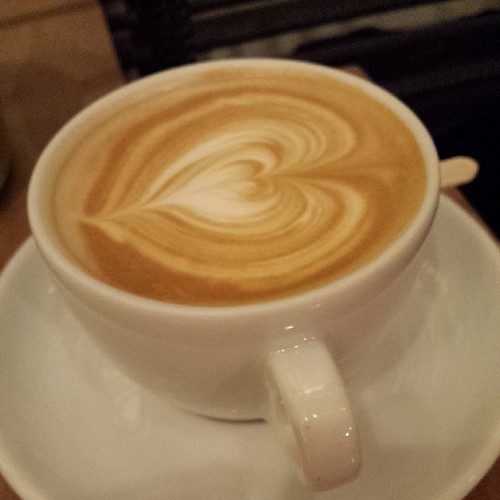
Chye Seng Huat Hardware latte 3.5
Coffee from Chye Seng Huat Hardware Store, Singapore.

IARC Monographs have come to some conclusions on the dangers of drinking coffee, maté, and very hot beverages. An international working group of 23 scientists convened by the International Agency for Research on Cancer (IARC), the cancer agency of the World Health Organization (WHO), has evaluated the carcinogenicity of drinking coffee, maté* and very hot beverages. The IARC aims to coordinate and conduct research on the causes of human cancer and the mechanisms of carcinogenesis, and to develop scientific strategies for cancer control.

A summary of the final evaluations is published in The Lancet Oncology, and the detailed assessments will be published as Volume 116 of the IARC Monographs. The working group found no conclusive evidence for a carcinogenic effect of drinking coffee. However, the experts did find that drinking very hot** beverages probably causes cancer of the oesophagus in humans. No conclusive evidence was found for drinking maté at temperatures that are not very hot.

“These results suggest that drinking very hot beverages is one probable cause of oesophageal cancer and that it is the temperature, rather than the drinks themselves, that appears to be responsible, ” says Dr Christopher Wild, IARC Director.

Very hot beverages

Drinking very hot beverages was classified as probably carcinogenic to humans. This was based on limited evidence from epidemiological studies that showed positive associations between cancer of the oesophagus and drinking very hot beverages. Studies in places such as China, Iran, Turkey, and South America, where tea or maté is traditionally drunk very hot (at about 70°C) , found that the risk of oesophageal cancer increased with the temperature at which the beverage was drunk.

In experiments involving animals, there was also limited evidence for the carcinogenicity of very hot water, the working group found.

“Smoking and alcohol drinking are major causes of oesophageal cancer, particularly in many high- income countries,” stresses Dr Wild. “However, the majority of oesophageal cancers occur in parts of Asia, South America, and East Africa, where regularly drinking very hot beverages is common and where the reasons for the high incidence of this cancer are not as well understood.”

Oesophageal cancer is the eighth most common cause of cancer worldwide and one of the main causes of cancer death, with approximately 400,000 deaths recorded in 2012 (5% of all cancer deaths), says the WHO. The proportion of oesophageal cancer cases that may be linked to drinking very hot beverages is not known.
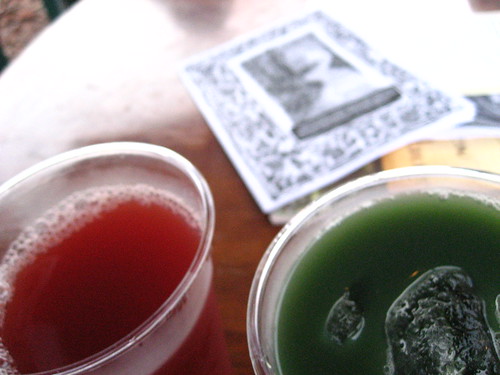

Yerba mate based drinks
Hibiscus maté on the left, guarana ginseng on the right - drinks at the Woodford Folk Festival in Queensland, Australia, 2006.
Maté

Cold maté did not have carcinogenic effects in experiments on animals or in epidemiological studies. Therefore, drinking maté at temperatures that are not very hot was not classifiable as to its carcinogenicity to humans. This was based on inadequate evidence in humans for the carcinogenicity of drinking cold or warm maté and inadequate evidence in experimental animals for the carcinogenicity of cold maté as a drinking liquid*.

Coffee

Drinking coffee was not classifiable as to its carcinogenicity to humans. The large body of evidence currently available led to the reevaluation of the carcinogenicity of coffee drinking, previously classified as possibly carcinogenic to humans by IARC in 1991. After thoroughly reviewing more than 1,000 studies in humans and animals, the working group found that there was inadequate evidence for the carcinogenicity of coffee drinking overall. Many epidemiological studies showed that coffee drinking had no carcinogenic effects for cancers of the pancreas, female breast, and prostate, and reduced risks were seen for cancers of the liver and uterine endometrium. For more than 20 other cancers, the evidence was inconclusive.

A scan of research online showed pretty much the same conclusions. In one 2009 study in Iran, researchers found that compared with drinking lukewarm or warm tea, drinking hot tea or very hot tea was associated with an increased risk of oesophageal cancer. For this study, temperatures of warm, hot and very hot tea were defined as being under 60°C, between 61 and 64°C, and 65°C and above respectively. Various confounders such as ethnicity, daily vegetable intake, alcohol consumption, tobacco or opium use, duration of residence in rural areas, and socioeconomic status were ruled out as likely causes. The total amount of tea consumed did not have an effect, either.

A 1995 study on maté in Paraguay linked very hot maté to oesophageal cancer. The authors of the research pointed out however that alcohol consumption, smoking, and eating of beef were also linked to the same cancer. The association between very hot maté and cancer was also found in a 2000 study, which also noted that the more maté is consumed, the higher the risk of oesophageal cancer. Women were found to have a higher risk of the cancer on all counts. The good news is that eating fruit, vegetables, cereals and drinking tea has a protective effect, but meat, animal fats and salt led to an increased cancer risk.

In 2011, a study in Southern China linked not only the drinking of very hot beverages to cancer, but also the eating of high-temperature foods - those which had been fried or barbecued. Eating fast was also correlated with cancer.

The IARC Monographs Programme seeks to classify cancer hazards, meaning the potential of any substance to cause cancer based on current knowledge. The classification does not indicate what level of risk exists to people’s health associated with exposure to a classified hazard. For example, IARC has classified tobacco smoking as carcinogenic to humans, but that classification does not indicate the increase in risk for each cigarette smoked. This working group evaluation is in line with the WHO Technical Report Series 916 on diet, nutrition and the prevention of chronic diseases, which states that people should not consume drinks when they are at a very hot (scalding hot) temperature.

A 2015 study postulates that the stem cell division model of cancer can explain why very hot foods and beverages cause cancer. Swallowing something too hot will damage cells in the oesophagus. Stem cell division is activated to repair the cells, and the more often stem cells divide over a period of time, the higher the risk of DNA damage, and in turn cancer. The author, Miguel López-Lázaro, further speculates that controlling stem cell divisions, such as through taking a daily low dose aspirin, could reduce cancer rates and reduce the likelihood of dying from cancer.

Interested?

Read the IARC Monographs Q&A on classifications (PDF)

Read the IARC Monographs Q&A on the evaluation of drinking coffee, maté, and very hot beverages (PDF)

*Maté, also called yerba maté, is an infusion made from dried leaves of ilex paraguariensis. It is consumed mainly in South America and to a lesser extent in the Middle East, Europe, and North America. It is also available as a health supplement in Singapore. Maté is traditionally drunk very hot (at about 70°C), but it may also be consumed warm or cold. 

**“Very hot” refers to any beverages consumed at a temperature above 65°C. See the Q&A for more details.

Monday, 18 April 2016

On the halal food and beverage trail at Food&HotelAsia2016

Trails were introduced for the first time at the premium Food&HotelAsia2016 (FHA2016) regional trade event, covering dairy, gelato/ice cream, packaging equipment, productivity boosters and halal food and beverages. The self-guided trail of halal food and beverages, created by organisers Singapore Exhibition Services in conjunction with halal ecosystem provider DagangHalal, included a list of exhibitors with halal products sorted by hall location as well as a directory of halal certification bodies.

The global halal opportunity (excluding Islamic finance) is estimated to be worth US$2.3 trillion, and growing 20% a year, an annual value of US$560 billion, according to the authors of the food trail, with 1.8 billion Muslims worldwide are growing increasingly affluent and looking for halal food and beverages. The demand for halal products and services has also expanded beyond F&B to pharmaceuticals, cosmetics, health products, toiletries, and medical devices, all the way to finance, logistics, marketing, media, packaging and branding.

At FoodAsia, many exhibitors displayed halal logos prominently, or had halal-certified goods on show: 

One of the more interesting displays was from Camel, which produces snacks like nuts and dried fruit. It had a camel status standing on a bed of its snacks.
One of the more interesting displays was from Seng Hua Hng Foodstuff, responsible for the Camel Nuts brand. The booth had a camel statue standing on a bed of its snacks welcoming visitors. Rival Tong Garden was also at the show.

Nuhoney, a sparkling honey beverage, is made in Singapore from Australian honey.
Goh Tiong Wee, head of Nuhoney, holds up a can of the sparkling honey beverage of the same name. Nuhoney is made in Singapore from Australian honey and was developed in conjunction with Singapore Polytechnic's Food Innovation & Resource Centre. The centre's services include developing functional foods, natural alternatives for food additives, reformulating foods to reduce fat, salt and sugar, process optimisation as well as sample preparation at trade shows and business events.

MyBizcuit is from Malaysia. The booth offered peanut rolls for sampling.
MyBizcuit is from Malaysia. The company launched golden cheese tart and choco peanut bar snacks in value packs at the show. The snacks will soon be available as convi packs, in the golden cheese tart (Golden), peanut crunchy bar (Peanut), Belgium choco (Bellco) and melting almond (Almento) flavours. Also new were Mas Bear Danish cookies in a tin that are packaged in a gift box.

Kayamila, which also had space at the Halal Supermarket outside the hall, features traditional kaya - a sweet coconut milk based paste eaten with bread - in unusual flavours.
Kayamila, which also had space at the Halal Supermarket outside the hall, features traditional kaya - a sweet coconut milk based paste eaten with bread - in different flavours. From kaya expert Fong Yit, the Kayamila brand was developed in response to changing consumer demand. 

“In recent years, consumers have become more adventurous and creative, trying non-conventional ideas for their food choices. We have seen traditional breakfast spreads turned into ingredients for everything from baking desserts to cooking a main course. Kaya has to evolve too, and  Kayamila is taking that first step," said Goh May San, Marketing and Research Manager for Fong Yit, at the launch of the brand in February. 

Kayamila is available in the original flavour, called Original Coconut Kaya (a rebrand from XO Kaya; left), as well as Sea Salt Caramel (second from left), Vanilla Pandan (third from left) and  Calamansi Citrus (fourth from left). Kayamila products contain no preservatives and artificial colouring. The products are retailing at S$3.50 each and are available at Fairprice, Sheng Siong and Prime supermarkets from April 2016 onwards.
CS Tay is offering fresh portobello mushrooms airflown from Thailand. The mushrooms are grown without pesticides and do not have preservatives.
CS Tay is offering fresh portobello mushrooms airflown from Thailand. The mushrooms are grown without pesticides and do not have preservatives. 

Sealed, ready to eat cups of corn may soon be in NTUC supermarkets and Cheers convenience stores in Singapore, said a spokesperson at the CS Tay booth. The corn, from Thailand, keeps for two years in cool conditions. The packaging has an easy-open lid and a built-in spoon, so consumers can eat the corn straight from the cup if they wish. 

Pure Eddiction makes gourmet cakes, pastries and breads for the food service industry and also has a central kitchen creating products to customers' specifications. It has since expanded into processed meats and soups. Pure Eddiction moved its production kitchen in 2005 to within the Singapore Changi Prison Complex as part of the Yellow Ribbon project to rehabilitate inmates. 

Cones, cups and ice cream - Oishi International had it all: Red velvet (left) and charcoal waffles in the foreground, and from left in the back, chocolate, buttermilk and green tea waffles.
Cones, cups and ice cream - Oishi International had it all: Red velvet (left) and charcoal waffles in the foreground, and from left in the back, chocolate, buttermilk and green tea waffles. 

Cones, cups and ice cream - Oishi International had it all.
Cones, cups and ice cream - Oishi International had it all: from 12 o'clock, the buttermilk, red velvet, chocolate, charcoal and green tea cups.

Cones, cups and ice cream - Oishi International had it all.
Cones, cups and ice cream - Oishi International had it all: its super premium ice cream contains about 20% fat, and melts slowly. Its gelatos are 6% to 9% fat. Oishi's ice creams are created to feature 3D shapes on the surface, and meant for ice cream parlours. Oishi also sells display showcases.

Egokoro Trading featured halal gyoza aji in three flavours at its booth.
Egokoro Trading featured halal gyoza aji in three flavours at its booth. Other halal products  at its booth included pasteurised crab from Viya Crab Products of Thailand; Hikari miso soup; Chitsuruya Enterprise's seaweed, Kochi Ice ice cream in green tea, yuzu sorbet and sea salt flavours, as well as green tea from Miyama Green Corporation. 

BoBo offers different kinds of chicken-based meats.

BoBo also has seafood-based foods such as fishballs and rolls.

Prawn & water chestnut rolls are new at BoBo. The products were introduced early in 2016.

Cooked fish noodles are also new at BoBo. The products were introduced early in 2016.

Sincere Food features seafood and premium halal dim sum. Frozen seafood was on display at its booth.
Sincere Food Investment Group features seafood and premium halal dim sum. It also makes Japanese mousse in different flavours. Frozen seafood was on display at its booth. 


Bumimas displayed frozen french fries among other savoury frozen foods.
Kim Yam Trading's Bumimas brand includes frozen french fries among other savoury frozen foods. The Bumimas portfolio of frozen and chilled products includes sweet corn, French fries, beef balls, ice cream, ice cream cones, as well as various breads like the Chinese steamed mantou bread and the Indian roti paratha.

Bumimas had frozen fried ice cream as well as more traditional 'potong' ice cream.

Source: Tan Seng Kee Foods (TSK). TSK is known for its KangKang (康康) fresh, preservative-free shelf-stable noodle range.
Source: Tan Seng Kee Foods (TSK). TSK is known for its Kang Kang (康康) fresh, preservative-free shelf-stable noodle range. The company is launching Express Meal Kits, which incorporate its noodles together with sauces for laksa, curry mee and the non-spicy prawn mee. All products are halal and have a shelf life of a month. The Express Meal Kits also appeared on Halal Supermarket shelves.


Tan Seng Kee Foods rolled out its Kang Kang (康康) Express Meal Kit at the show. The halal kits incorporate fresh, pasteurised noodles and spice pastes for quick meals. The preservative-free products have a shelf life of 30 days in ambient conditions, and can last for up to six months if chilled. A QR code on the packaging leads to a video with preparation instructions.


Hashtag: #sghalal

posted from Bloggeroid

Thursday, 27 August 2015

Fanda Labs introduces the Driv energy drink

Source: Fanda Labs.
Driv, by Fanda Labs, is a halal-certified energy drink that helps athletes improve performance, accelerate recovery, and decrease brain fog, dry mouth and dry skin. 

Driv comes in five-calorie energy packs that help to replenish magnesium, potassium and sodium. Each pack also includes a 2g dose of Bioenergy Ribose, a five-carbon sugar that the body uses to make adenosine triphosphate (ATP), the source of all cellular energy, says Fanda Labs. 

"Pushing yourself to the limit – whether it's training, competing or just pursuing an active lifestyle – depletes your body's natural supply of ribose, creatine and electrolytes," explains Fanda Labs Co-Founder Frank Bayr. "Driv reboots the body's natural energy synthesis process by restoring ribose, creatine and electrolytes lost during exercise. It's a proven way to help your sore, stiff muscles recover – allowing you to push yourself further." 

Bioenergy Ribose is popular in a variety of sports nutrition, dietary supplement and functional food and beverage products. It works synergistically with a variety of other functional ingredients and helps increase and sustain their benefits. 

Interested?

Driv can be ordered online. A box of 30 packs costs US$29.99.

Sunday, 28 June 2015

Ramadhan offers in Singapore

Ramadhan tends to see a lot of food-related promotions in Singapore. Here's a selection:

Seen at the Geylang Serai Hari Raya Bazaar - buy S$25 worth of Mirinda drinks to get a free Mirinda jug, or buy S$25 worth of Yeo's drinks to get a free Yeo's jug.

Fanta invites consumers to "make Raya more special" by creating their own soda recipes with mixers, with lychee flavour as the latest. The recipes can be shared, but instructions will only be shared on radio at Warna 94.2FM.

Mr Bean has come up with takeaways from halal-certified suppliers. There are jelly delights, six for S$10, soybean biscuits (salted bean or pineapple flavours), eight for S$10.80, or grass jelly bowls (ala carte pricing).

McDonald's Singapore does not list its Ramadhan offers on its website. Its sunset and pre-dawn meals come with a free picnic mat, and the sunset meals include free dates. Sunset meals range between S$20.95 and S$49.95. For S$49.95, the sunset feast includes 1 Big Mac, 1 Quarter Pounder with cheese, 2 McSpicy burgers, 1 Filet-O-Fish, 1 McChicken, 1 Spicy Nuggets (20 pieces), four large French Fries, three banana pies, three hot fudge sundaes, three medium iced Milos, three medium Cokes, and six free dates. Plus the picnic mat. The pre-dawn meals range from S$17.95 to S$29.95. For S$29.95 enjoy a breakfast supreme, a sausage McMuffin with egg, one portion of hotcakes, a chicken muffin, three hash browns, two medium iced Milos and two medium cappuccinos. The meals can be pre-ordered. McDonald's delivers 24 hours a day. Terms & conditions apply; there is a surcharge for delivery and a minimum order amount, for example.
Hashtag: #sghalal

Wednesday, 10 June 2015

Get ready for more instant coffee varieties


The reputation of instant coffee has improved among consumers, especially youth, as it is less expensive and easy to prepare, boosting the outlook for instant coffee globally, says research firm Technavio. The company has published a new report on the global instant coffee market, which is expected to grow at a CAGR of over 5% from 2015 to 2019.

The number of coffee drinkers has increased, as has the acceptance of café culture globally, prompting coffee producers to introduce new varieties in the market, Technavio adds. Price fluctuations for green coffee beans add an element of volatility however.

“The growing trend of having coffee during casual social conversations, particularly in developing economies where the young population is high, is bolstering the market for coffee vendors globally,” says Faisal Ghaus, Vice President of Technavio.

“With the rise in coffee drinkers spurred by the increase in number of visitors to coffee shops and cafés, the potential customer base for instant coffee has expanded.”

Key vendors in this market include DE Master Blenders 1753, Keurig Green Mountain, Nestlé Holdings and Starbucks. 

Interested?

Tuesday, 9 June 2015

Increasing demand for coffee generates more interest in the International Coffee and Chocolate Exhibition

Coffee and chocolate sales have trebled in the Arab world in the past decade with consumption having increased by 100% in Saudi Arabia alone in the past three years. According to economist Hajar Al-Fadl, Saudis now spend more than SR5 billion on coffee each year.

"The Kingdom has achieved a huge growth in coffee sales with 25% annual growth each year from 2011 to 2014, making it the fastest-growing coffee market in the world," Al-Fadl said.

The figures were revealed ahead of the 2nd International Coffee and Chocolate Exhibition, which takes place at the Riyadh International Convention and Exhibition Center from 26 to 28 November, 2015.

Last year’s exhibition attracted 120 exhibitors and over 25,000 visitors, with organisers Heights Agency predicting this year’s event will be even bigger with new features, including the introduction of the national barista championships.

“The event is one of the most significant coffee and chocolate events in the Arab world, and provides an integrated platform to highlight all aspects of the two products,” said Mohammed Al-Afees, Chairman of the Organising Committee. “This year we are adding a number of interactive workshops and training programs for participants, as well as the national barista championships to celebrate masters of the art of coffee preparation.”

Al-Afees said prominent coffee and chocolate experts from the Gulf Cooperation Council (GCC), the Arab world and internationally will attend the three-day event, which offers significant investment and partnership opportunities, as well as an introduction to the Saudi market.

"The event is held in line with the active commercial movement in the Arab and Gulf markets regarding the two commodities, where the Kingdom is considered one of the leading coffee producers in the region and one of the most consuming countries in this area," he said.

Interested?

Exhibitors have until the end of October to register

Tuesday, 12 May 2015

Cafédirect brings Cauca Terroir Roast & Ground Coffee to Singapore

Source: Cafédirect. The Cauca Terroir Roast & Ground Coffee should be paired with something sweet and fruity. In Colombia, it would be perfect with pan de queso, a local cheese bread, or alfajores, a type of cookie sandwich that is filled with caramel. "Terroir" refers to the specifics of the region where the beverage comes from, including the characteristics of the earth, climate, altitude, temperature and so on.

Cafédirect's Cauca Terroir Roast & Ground Coffee has just landed in Singapore. The epitome of high-altitude terroir coffee from Colombia is made from the best Arabica beans from the South Cauca region of Colombia. This highly-prized, medium-bodied 100% Arabica brew is silky smooth with natural bright, sweet, and tropical fruity notes. Distinguished by its aroma, this beverage is rated strength 4 on a scale of 1 to 5*.

Cafédirect Cauca coffee beans are cultivated at altitudes of 1,300, to 1,800m, where the three Andes mountain ranges meet. The clean, cold air, warm sunlight, fertile soil and the dedication of the Colombian growers come together to produce this sought after high-altitude terroir coffee. 

At the official Singapore launch of the coffee Sales Director of Cafédirect, Julian Burnham said: “We bring to consumers our coffee beans directly from local small growers with whom we have established long-term sustainable relationships. Made the small way, direct sourcing ensures high quality standards and brings the authentic coffee character immediately to our drinkers. This way, the company is able to trace the origin of every bean."

Q-Grader coffee expert Joanna Lawson, who is Procurement & Quality Manager at Cafédirect, added: "I visited the farms where this coffee is grown and worked with the farmers to develop the exact profile we require for this coffee. Of all of the coffee available in Colombia, we have chosen this specific region for its wonderful flavour and delicate aroma. 

“Colombia has always been known for its high quality coffee, but our Cauca product really is exceptional. What makes it so special is the combination of the delicate floral notes with the sweet caramel mouth-feel. In recent tests, it was voted #1 by both consumers and experts.” 


*To help customers select a coffee strength that suits your taste, Cafédirect has placed a numbered icon on the label. The strength of the coffee depends on a number of factors, namely the composition of coffee beans in the blend, as well as the intensity of the roasting process for coffee beans. Roast and Ground coffees from Cafédirect span the range from 3 to 5. The Cauca Terroir Roast & Ground Coffee is a 4, which means that it is a medium-bodied coffee, perfectly balancing roasted notes with the full flavour of the beans where neither overwhelms the other.