Showing posts with label Islamic. Show all posts

Sunday, 25 October 2026

RCU launches 2026-2027 archaeology season across AlUla and Khaybar

- Saudi and international teams advance long-term research into northwest Arabia's human history, from prehistoric landscapes and ancient kingdoms to oasis life, pilgrimage routes and heritage conservation 

- The season builds on previous discoveries while strengthening Saudi capability in archaeology, field research, digital documentation and heritage interpretation 
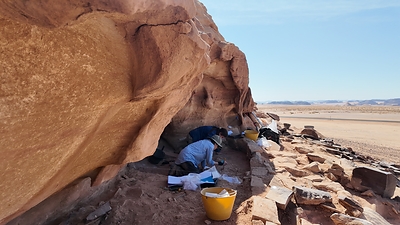
 

Source: RCU. The 2026–2027 archaeology season across AlUla and Khaybar is now live. People at an archaeological dig.
Source: RCU. The 2026–2027 archaeology season across AlUla and Khaybar is now live.

The Royal Commission for AlUla has launched the latest phase of its 2026–2027 archaeology season, bringing together Saudi and international teams to advance long-term archaeological research across AlUla and Khaybar. 

Building on the momentum of previous seasons, this year's programme continues RCU's work to study, document, conserve and interpret one of northwest Arabia's most significant archaeological landscapes. The season brings together a broad programme of fieldwork, specialist research, digital documentation and community engagement across AlUla and Khaybar, supporting deeper understanding of the region's human history and its role within the ancient world. 

The programme reflects the growing maturity of RCU's archaeology work. As missions return to the field, researchers are moving from individual discoveries into deeper scientific analysis, connecting evidence across periods, sites and disciplines to build a richer understanding of how people lived in, moved through and shaped the landscapes of AlUla and Khaybar over millennia.

This season's work is structured around key research themes, including early human presence and prehistory; ancient kingdoms and oasis societies; routes and pilgrimage; environmental history and water management; inscriptions and written heritage; material culture and subsistence; conservation; and digital documentation.

At Hegra, teams are continuing survey, excavation and specialist studies of the settlement centre and ancient oasis, including material linked to flora, fauna and small finds. This work aims to deepen understanding of life at the site across multiple periods and to support the wider interpretation of Hegra's archaeological landscape.

In Dadan, the second phase of the Dadan Archaeological Project is building on the results of the previous five-year mission. Current work is focused on further excavation and study of funerary and residential areas, helping researchers better understand the development, use and reuse of one of AlUla's most important ancient centres.

In Khaybar, continuing and new research is examining the oasis across different periods. This includes excavation of the major Neolithic site of Al-Maṭḥana, alongside studies of sedimentary archives, palaeoenvironments and human societies from late prehistory through the Islamic period. Together, these missions are helping researchers understand the relationship between natural resources, human presence and cultural change in one of the region's most important oasis landscapes.

The Pilgrimage Routes in South AlUla project is continuing work on forts and railway stations, while surveying more than 100 km between AlBadai' and Zumurrud forts to trace north-south routes of travel in Islamic and earlier periods. This research is helping to clarify how people, goods and ideas moved across the region through networks of travel, trade and pilgrimage.

The AlUla Inscriptions Corpus Analysis Project, in collaboration with Ghent University, is continuing work to translate, study and contextualise inscriptions recorded across AlUla. The project supports access to one of the region's most important bodies of written heritage, building on AlUla's record of more than 25,000 inscriptions and contributing to future research through the development of an online database.

Specialist studies are also expanding understanding of daily life and environmental history. Research into animal remains, ceramics, qanat water systems and material from Tell Saq is helping archaeologists move from field discovery into deeper analysis of diet, production, exchange, ritual practice, oasis water management and material culture.

The season also reflects RCU's commitment to developing Saudi capability in archaeology and heritage research. Through fieldwork, laboratory work, specialist studies, digital documentation, community engagement and collaboration with leading international institutions, the programme supports knowledge transfer and helps develop the next generation of Saudi archaeologists, researchers and heritage professionals.

Dr Abdulrahman Alsuhaibani, VP of Culture at RCU, said: "AlUla and Khaybar continue to reveal the depth and diversity of northwest Arabia's human history. Through sustained archaeological research, RCU is advancing knowledge of the region's ancient landscapes, routes, oases and kingdoms, while strengthening Saudi Arabia's contribution to global archaeological understanding. 

"This season is also an important opportunity to build national capability, support Saudi talent, and ensure that the knowledge generated through research informs how AlUla's heritage is conserved, interpreted and shared with the world."

Dr Rebecca Foote, Director of Archaeology and Cultural Heritage Research at RCU, said: "The value of this season lies in continuity. Returning to the field allows teams to test new evidence, refine chronologies and connect discoveries from individual sites to wider questions about movement, climate, exchange, food production, belief and long-term cultural change. Across AlUla and Khaybar, archaeology is revealing northwest Arabia as an active and connected landscape, shaped over millennia by movement, exchange, environmental change and human innovation."

The research programme also supports how AlUla's heritage is interpreted and shared with the public. Findings from archaeological missions inform exhibitions, site interpretation, Rawi storytelling, cultural programming and public-facing heritage experiences, helping visitors engage with AlUla's heritage through evidence-based narratives.

Tuesday, 8 September 2026

OIC, UN Development Programme partner to enhance Islamic social finance and humanitarian action

The General Secretariat of the Organization of Islamic Cooperation (OIC), represented by its Department of Humanitarian Affairs, in cooperation with the United Nations Development Programme (UNDP), has concluded a roundtable on Islamic Philanthropy: Zakat, Sadaqah, and Waqf for Early Recovery, Inclusion, and Sustainable Development in Riyadh. 

The event discussed the role of Islamic social finance in strengthening humanitarian response, supporting socioeconomic recovery, and achieving sustainable development for the most vulnerable populations and communities. 

The roundtable highlighted new and innovative frameworks for cooperation between the OIC, UNDP, and the International Islamic Fiqh Academy, focusing on building institutional partnerships, exchanging knowledge and successful experiences, and developing initiatives targeting vulnerable communities. 

Representing the General Secretariat at the meeting and the signing ceremony for the accompanying cooperation agreements, Dr Aisha Al-Ayafi, Director of Humanitarian Affairs at the Organization of Islamic Cooperation, emphasised the importance of developing Islamic charitable tools. 

She explained that zakat, sadaqah, and waqf are fundamental pillars for enhancing resilience and achieving sustainable development, and that deepening institutional partnerships will contribute to maximising the impact of these tools for the benefit of the most vulnerable groups. 

The OIC also reaffirmed its ongoing commitment to expanding cooperation with international and regional partners to solidify the role of Islamic social finance as a key driver of recovery, development, and the preservation of human dignity in all member states.

Saturday, 5 September 2026

International Conference on Islamic Finance and Economy to focus on peace, resilience, and security

The Center for Islamic Economics and Finance (CIEF) at the College of Islamic Studies, Hamad Bin Khalifa University (HBKU), in collaboration with the Qatar Financial Centre (QFC) Authority, is working on paper submissions for the 9th International Conference on Islamic Finance and Economy (ICIFE).

The conference, to be held in English and Arabic with live interpretation available in both languages, explores how Islamic principles, economics and finance can guide decision-making and contribute to peace-oriented development, social resilience, ethical reconstruction and responsible security in a geopolitically unstable world. Its formal theme is Islamic Economics Perspectives on Economies of War and Peace: Ethics, Resilience, Reconstruction, and Responsible Security.

According to the organisers, conflict-affected economies often face weakened institutions, damaged infrastructure, limited access to long-term capital and urgent reconstruction needs. Islamic finance is well-positioned to offer both a normative and practical framework for protecting welfare, rebuilding productive capacity, mobilising ethical capital, and supporting recovery in times of insecurity. The conference, therefore, invites research that moves beyond permissibility and asks how Islamic economics can help build humane, resilient and peace-oriented economic systems. 

"In a world increasingly affected by geopolitical instability, disrupted markets, food and energy insecurity, displacement, and fiscal pressures, the need for principled and humane economic thinking has never been more important. I believe Islamic economics and finance offer a valuable framework for this discussion. They are deeply rooted in the principles of human dignity, justice, social solidarity, and public welfare. 

"These principles can guide our approaches to peace-oriented development, livelihood restoration, and responsible public finance. They can also inform the rebuilding of institutions and essential infrastructure. Through this conference, I invite all of you to reflect on the ethical boundaries of finance. This includes finance related to public security, emerging technologies, strategic industries, and post-conflict recovery," commented Dr. Recep Şentürk, Dean, College of Islamic Studies, Hamad Bin Khalifa University.

A central concern of the conference is to avoid normalising destruction or treating war as an engine of growth. Instead, ICIFE 2026 encourages critical reflection on how Islamic finance and economics can support human protection, responsible public finance, livelihood restoration, institutional rebuilding, and sustainable peace.

Conference objectives include:

- Develop Islamic economic and financial frameworks for peace, resilience, reconstruction, and responsible security.

- Examine how maqasid al-shari'ah, adamiyyah, and Islamic jurisprudence on war and peace can guide ethics in conflict-affected contexts.

- Analyse the impact of geopolitical risk on Muslim-majority economies, Islamic banking, sukuk markets, capital flows, sovereign finance, trade, food security, energy markets, and monetary stability.

- Explore the role of Islamic social finance, sukuk, blended finance, capital market instruments, and development finance in rebuilding livelihoods, institutions, infrastructure.

- Clarify the ethical boundaries of finance in relation to public security, strategic industries, defense sectors , humanitarian protection, and post-conflict recovery.

- Assess how emerging technologies, including artificial intelligence, cybersecurity, drones, surveillance, fintech, and digital infrastructure, are reshaping war, security, reconstruction, and financial ethics.

- Connect Islamic finance with conscious economics, conscious futures, foresight, scenario planning, anticipatory governance, social trust, human dignity, and resilience.

- Advance policy dialogue on peace-oriented and humane financial systems.

"These discussions extend beyond financial instruments to encompass human protection, institutional resilience, ethical investment, public welfare, and long-term peace. I believe this makes the conference both timely and necessary, as it explores how Islamic economics and finance can contribute to more responsible, humane, and future-oriented economic systems," said Dr Ahmet Faruk Aysan, Professor and Associate Dean, College of Islamic Studies, Hamad Bin Khalifa University in a message from the conference chair.

Details

The conference will be held 29 and 30 November, 2026. More details are at https://www.hbku.edu.qa/en/CIS-ICIFE2026?tab=overview&tabid=Overview 

Friday, 4 September 2026

AAOIFI Financial Accounting Standard (FAS) 53 is released

Accounting and Auditing Organization for Islamic Financial Institutions’ (AAOIFI’s) Accounting Board (AAB) has officially issued Financial Accounting Standard (FAS) 53, Istisna-Based Development Contracts. The standard, along with FAS 52 Deferred Delivery Sales: Salam and Istisna issued earlier this year, supersedes FAS 10 Istisna’a and Parallel Istisna’a which was identified for revision and improvement as a result of a AAOIFI FASs review and revision project initiated by the board.

FAS 53 Istisna-Based Development Contracts prescribes the accounting and financial reporting principles applicable to the developers and customers of istisna (اِسْتِثْنَاء)-based development contracts. The standard improves on its predecessor in several aspects, inter alia, by way of aligning better with the newer standards and generally accepted accounting principles, by providing counter-party accounting in line with AAOIFI’s revised standard-setting strategy and by simplifying the treatment of istisna-based development contracts.

Hamad Al Oqab, Chairman of AAB stated: “The continued growth and development of the Islamic finance industry requires accounting standards that remain responsive to evolving business models, transactions and market practices. The board being cognisant of the same has revised the standard for istisna contracts to strengthen transparency and disclosure practice for the Islamic finance industry.

“The board greatly appreciates the valuable contribution of its members, the working group and the AAOIFI Secretariat in the development of robust accounting standards.”

Omar Mustafa Ansari, Secretary General of AAOIFI said: “The issuance of this revised standard is an important milestone in AAOIFI’s ongoing comprehensive review and revision of its FASs. It reflects our commitment to ensuring that AAOIFI’s standards continue to serve the evolving needs of the Islamic finance industry while promoting greater consistency, transparency and comparability in financial reporting. 

"We believe that the revised standard will contribute to enhancing the quality of accounting practices relating to Istisna-based development contracts and promote their usage by Islamic financial institutions globally.” 

The standard can be accessed on the AAOIFI website.

Thursday, 3 September 2026

IsDB prices US$1.5 B sukuk

The Islamic Development Bank (IsDB) has raised US$1.5 B through its second benchmark sukuk issuance of the year. The USD-denominated sukuk transaction follows its highly successful first US$ benchmark earlier in May.

The bank, rated Aaa/AAA/AAA by S&P, Moody’s and Fitch (all with 'Stable Outlook') priced the five-year trust certificates under its US$25 B Trust Certificate Issuance Programme.

The joint lead managers for this issuance were Bank of China (BOC), Barclays, BMO Capital Markets, China International Capital Corporation (CICC), Goldman Sachs International, HSBC, Industrial and Commercial Bank of China (ICBC), KFH Capital, NATIXIS, Société Générale.

The bank transaction was announced on 1 September with initial pricing thoughts (IPTs) at US$ secured overnight financing rate (SOFR) mid swap (SOFR MS) plus 50 basis points (bps) area. Despite market volatility, strong investor demand helped the bank build indications of interest (IOIs) in excess of ~US$2 B at market open on 2 September.

On the back of this strong momentum, the bank opened the books, revising guidance to US$ SOFR MS plus 48 bps area and continued to attract high-quality orders from institutional investors. At 12 pm London time, the order book had been valued in excess of US$2.75 B, surpassing the previous highest amount of US$2.65 B that the bank achieved in May 2026.

The bank maintained the level and set final terms with a spread at SOFR MS plus 48 bps, i.e. two bps tighter than IPTs and set final size at its target US$1.5 B. This led to the profit rate for the sukuk being set at 4.781% for investors, payable on a semi-annual basis and priced at par.

The transaction attracted strong participation from central banks and official institutions accounting for 51% of the book, followed by banks and private banks (38%) and asset/fund managers (12%). Final allocations were well diversified, with 39% from the Middle East and Africa, as well as a high degree of participation from international investors, including 13% from Asia.

The bank will deploy the proceeds of the sukuk issuance towards project financing across the bank’s eligible member countries in line with its Strategic Framework, which delivers sustainable socioeconomic growth for all.

Saturday, 15 August 2026

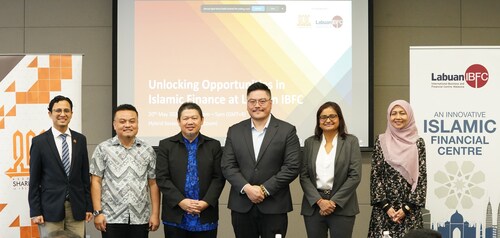
Labuan IBFC, ASA and STEP further discussion on Islamic wealth management

Labuan IBFC, the official marketing agency for Labuan International Business and Financial Centre (Labuan IBFC), together with the Association of Shariah Advisors in Islamic Finance Malaysia (ASAS) and the Society of Trust and Estate Practitioners (STEP) Malaysia recently brought together industry practitioners and experts to explore the intersection of Islamic wealth planning, estate administration and shari'ah governance, with a focus on cross-border wealth management and family governance. 

The event built on the partnership established through the memorandum of understanding between Labuan IBFC and ASAS, while further strengthening engagement with STEP Malaysia and the wider professional community. Discussions covered estate administration beyond faraid, shari'ah estate administration governance, succession planning and the use of trusts, takaful and other wealth structures. 

Ben Quah, CEO of Labuan IBFC highlighted Labuan IBFC's role as a platform for Islamic private wealth planning and cross-border wealth solutions in a keynote address. "As wealth becomes increasingly global, families need flexible solutions that offer asset protection and long-term continuity. 

"Labuan IBFC is well positioned to meet these needs while complementing Malaysia's leadership in Islamic private wealth through strong ecosystem collaboration," he said. 

The programme opened with Beyond Faraid – The Real Challenges in Muslim Estate Administration, examining practical challenges in estate administration while exploring solutions to translate succession intentions into effective estate planning. This was followed by a dialogue which explored how effective governance and proper documentation can help ensure wealth planning arrangements are implemented consistently with shari'ah requirements. 

In her welcome address, Farah Deba, Branch Chair of STEP Malaysia said: "Beyond faraid means faraid is only one part of estate planning. However, this does not mean planning beyond Islamic principles. We come from three different perspectives - where STEP speaks as advisors to families across generations while Labuan IBFC brings the international family wealth and structuring dimension, whereas ASAS brings the core shari'ah perspective." 

In her closing remarks, Yusaini Yusof, EXCO member of ASAS emphasised: "Shari'ah governance ensures that the legacy is properly structured, successfully implemented and ultimately serves maqasid shari'ah. ASAS shall continue to support this journey for greater engagements and increased professionalism of the wider shari'ah fraternity and practitioners." 

Maqasid (مقاصد) refers to goals and intents.

Saturday, 13 June 2026

Qatar's General Authority of Endowments partners with Wahed to develop AI-powered equity analysis capability

Source: Wahed. Qatar's General Authority of Endowments will work with Wahed to develop an AI-powered equity analysis platform.


Wahed, a global Islamic fintech and asset manager, has announced that its Qatar-based entity, Wahed MENA, has signed a memorandum of understanding (MoU) with The General Directorate of Endowments at the Ministry of Awqaf and Islamic Affairs in Qatar.

Under the terms of the agreement, Wahed MENA will develop and pilot an AI-powered shari'ah equity analysis and screening platform tailored to the needs of Qatar's endowment sector. Bringing together Wahed's global expertise in Islamic fintech and asset management with Awqaf's shari'ah and investment expertise in endowment oversight, the initiative is designed to build a smarter, more efficient approach to screening and analysing equities listed on the Qatar Stock Exchange (QSE) for shari'ah compliance.

The project supports Awqaf's efforts to leverage cutting-edge technologies and digital innovation in line with the Ministry's Strategic Plan (2025-2030), which focuses on digital transformation, AI technologies, institutional innovation, performance efficiency and sustainability. It also aligns with Qatar National Vision 2030 and the country's broader transition toward a knowledge-based economy.

The platform will combine AI-driven equity screening, natural language processing (NLP), financial indicator and ratio analysis, and a bilingual Arabic-English interface to support Awqaf's internal investment assessment processes. Features under development include dividend screening, historical shari'ah compliance tracking, risk-based analysis and an AI-assisted shari'ah screening support chatbot for internal use.

By combining financial data analysis, compliance monitoring and intelligent screening capabilities, the platform is expected to enhance the speed, consistency and scalability of investment analysis, strengthen governance and transparency in endowment investment management, and provide institutional-grade insights to support decision-making on robust Shariah and financial foundations.

Mohammed Abdullah Al Harmi, Director of the Investment Department at the General Directorate of Endowments, described the project as a crucial step in advancing endowment work. "This initiative ushers in a new era of endowment operations that combines shari'ah authenticity with technological innovation," he said.

"This partnership reflects our commitment to putting technology in service of Islamic finance principles," said Khalid Al Jassim, Executive Chairman of Wahed MENA.

"By working with Awqaf, we are taking a meaningful step toward making shari'ah-compliant investment intelligence more precise, accessible and scalable."

The initiative represents a significant step forward in the adoption of AI within Islamic asset management. Upon completion, the platform will serve as a model for endowment institutions, asset managers, sovereign entities and financial organisations seeking to integrate AI into shari'ah-compliant investment processes.

Sunday, 24 May 2026

Islamic Global Technology Fund launched in Malaysia

Eastspring Investments has launched the Eastspring Investments Islamic Global Technology Fund, a shari'ah‑compliant equity fund designed to provide investors with access to long‑term growth opportunities arising from global technology and AI innovation.

The fund seeks to invest in high‑quality, shari'ah‑compliant technology companies that are shaping the future of the global economy - spanning sectors such as semiconductors, AI hardware and software, cloud infrastructure, digital platforms, healthcare innovation and advanced manufacturing. These technology leaders are increasingly embedded across industries, driving productivity, efficiency and earnings growth.

While timing technology cycles perfectly can be challenging, history has consistently shown that long-term under-exposure to technology can come at a significant opportunity cost, Eastspring Investments said. Unlike earlier technology cycles, today's AI and technology wave is supported by real earnings, strong free cash flows and sustained capital expenditure from large, profitable global companies, the company noted, calling technology a structural growth opportunity, rather than a short‑term trend.

A key differentiator of the fund is its investment advisory collaboration with Eastspring Investments Taiwan, which has managed global and US technology strategies since 1994. This enables Malaysian investors to access seasoned technology investment capabilities.

Based in Taiwan, the epicentre of the global semiconductor and AI hardware supply chain, the investment team brings first-hand, on-the-ground insights into the industries that power artificial intelligence. Much of the world's most advanced chips are designed and manufactured in this region, making proximity a critical advantage in identifying emerging trends and inflection points within the global tech ecosystem.

This expertise is reinforced by Eastspring's broader regional platform, drawing on insights from investment professionals across Asia to develop a more holistic, forward-looking view of technology innovation. Together, this combination of local depth, regional insights and global perspective enhances the Fund's ability to capture opportunities across the global AI value chain.

The fund is managed with shari'ah oversight and governance in collaboration with Eastspring Al‑Wara' Investments, Eastspring's dedicated Islamic asset management subsidiary. The portfolio construction adheres to shari'ah principles, ensuring investments are ethically aligned while maintaining diversification across global technology subsectors.

Yap Siok Hoon, CEO, Eastspring Investments said: "Technology is no longer optional - it is embedded in how economies function and how companies create value. With the launch of this fund, we are offering investors a way to participate in this powerful, long‑term growth story through a shari'ah‑compliant solution, backed by deep technology expertise and global reach. Our collaboration with Eastspring Investments Taiwan provides a unique advantage by anchoring investment insights where global AI and semiconductor innovation is truly built."

Anouk Hanafiah, CEO of Eastspring Al‑Wara' Investments added: "This fund reflects our commitment to delivering global shari'ah investment solutions that are grounded in principle yet forward-looking. We believe technology and innovation can be powerful drivers of positive progress when aligned with shari'ah principles."

Labuan IBFC, ASAS create more awareness about Islamic finance

Source: Labuan IBFC. Representatives from Labuan IBFC, Labuan Financial Services Authority (FSA) and ASAS at the training programme.

Labuan International Business and Financial Centre (Labuan IBFC), together with the Association of Shariah Advisors in Islamic Finance Malaysia (ASAS), recently hosted a training session highlighting opportunities in Islamic finance, encompassing shari'ah-compliant fintech, captive and cross-border wealth management solutions within Labuan IBFC.  

The hybrid event gathered Islamic finance professionals and shari'ah advisers from Malaysia and abroad to explore Labuan IBFC's proposition as global business hub offering Islamic finance solutions. Participants gained key insights into the digital acceleration of Islamic finance and its innovative financial structures. 

In opening remarks on the day of the event, Tn. Haji Makhtar Abdullah, CEO of ASAS commented: "The future of Islamic finance will depend not only on products and regulations, but also on the quality, integrity, and commitment of the talents who guide the industry forward. Therefore, I hope today's programme will serve as a catalyst that inspires all of us, as ASAS members, to continue contributing our shari'ah knowledge and expertise towards strengthening the Islamic finance ecosystem."  

Ben Quah, CEO of Labuan IBFC, underscored Labuan IBFC's position as Asia's premier international financial hub in a keynote. "Labuan IBFC's robust Islamic finance framework has successfully positioned the jurisdiction as a leading global hub in this sector. Consequently, we are confident that this collaboration with ASAS will further accelerate and advance the Islamic finance agenda," he said.

The main session focused on the Islamic Digital Asset Centre (IDAC), which drives Islamic digital finance beyond Labuan IBFC. Emerging opportunities exist in digital banking, fintech innovation and broader digital financial services, delegates learned. 

The session also underscored the growing relevance of captive takaful structures as a strategic tool for risk management and cost optimisation. 

Monday, 4 May 2026

Salama completes restructuring, focuses on growth

- AED456 M capital reduction and AED155 M mandatory convertible sukuk deliver full balance sheet reset

- Over AED420 M of legacy exposures resolved

With its capital restructuring complete, Salama Islamic Arab Insurance Company (SALAMA) is now positioned to deliver sustainable, long-term value to its stakeholders. One of the world's leading composite shari'ah-compliant takaful providers, SALAMA announced in late April that it has concluded a multiyear transformation and re-established its financial strength.

SALAMA has restored its solvency position in line with the requirements of the Central Bank of the UAE (CBUAE), positioning the company as a well-capitalised, disciplined and growth-ready takaful insurer with renewed underwriting capacity.

The restructuring programme included an AED456 M capital reduction, eliminating accumulated losses and aligning the company's equity base with its underlying economic position. As part of this reset, SALAMA resolved over AED420 M of legacy and non-admissible exposures, including disputed assets, historical impairments, and foreign exchange-related adjustments, materially strengthening the balance sheet, and reducing volatility.

The transformation was completed through the successful conversion of an AED155 M mandatory convertible sukuk (MCS) and issuance of new shares, a shari'ah-compliant capital instrument fully-subscribed by strategic institutional investors Eshraq Investments and Humana Holding.  

SALAMA is now focused on delivering disciplined underwriting performance and sustainable growth. The company is: 

- Reinstating its underwriting capacity across its core business segments 

- Re-engaging key distribution channels, including corporate partnerships 

- Driving profitable growth across the life & wealth, property and casualty (P&C), and health sectors 

- Enhancing its claims service, operational efficiency and customer experience

Essa Ali Bin Salem Alzaabi, Chairman of SALAMA said: "The successful completion of this transformation reflects the board's commitment to restoring the company's financial strength and long-term sustainability. With a fully reset balance sheet and strengthened capital position, SALAMA is now well positioned to pursue its strategic priorities with confidence and discipline."

Mohamed Ali Bouabane, Group CEO, SALAMA added: "The completion of our restructuring programme marks a decisive turning point for SALAMA. We have taken clear and disciplined actions to reset the balance sheet, resolve legacy exposures and re-establish a strong capital foundation for the business. 

"Today, SALAMA is a well-capitalised and compliant insurer, with the financial strength and operational discipline required to compete effectively. Our focus now is on execution, delivering consistent underwriting performance, strengthening our market position and driving sustainable growth across our core businesses." 

Tuesday, 17 March 2026

HLB Islamic charts new course in wealth stewardship

Hong Leong Islamic Bank is transitioning to a refreshed consumer-facing brand identity, HLB Islamic, and a strengthened core proposition that approaches financial services not as a series of siloed products and transactions, but as total wealth stewardship through a shari'ah-principle-guided lifecycle approach known as Hayat @ HLB Islamic. 

Source: HLB Islamic. Dafinah Ahmed Hilmi, CEO of HLB Islamic (left) and Kevin Lam, Group MD and CEO of HLB (right) unveiling the refreshed identity of HLB Islamic.
Source: HLB Islamic. Dafinah Ahmed Hilmi, CEO of HLB Islamic (left) and Kevin Lam, Group MD and CEO of HLB (right) unveiling the refreshed identity of HLB Islamic and introducing Hayat @ HLB Islamic, the bank’s new proposition centered around wealth stewardship.

Hayat @ HLB Islamic
empowers customers to look beyond wealth as a standalone category, and instead view their entire financial journey through the lens of wealth. This evolution is rooted in the bank’s new philosophy, Timeless Principles Guiding Tomorrow’s Wealth, introduced during its 20th anniversary last December.  

Kevin Lam, Group MD & CEO of Hong Leong Bank (HLB) said: "Our transition to HLB Islamic is a deliberate step to foster deeper brand affinity with our diverse clientele and a clear declaration of our intent to scale our shari'ah-compliant franchise into a primary engine of growth for HLB. 

"By aligning our Islamic banking identity more closely with the core HLB brand, we are making our shari'ah-compliant solutions more intuitive, accessible, and digitally integrated. Looking ahead, our goal is for HLB Islamic to be the preferred gateway for wealth stewardship in Malaysia, demonstrating that value-based solutions that are truly customer-centric can lead the market in both innovation and resonance.” 

True to its commitment to empowering purposeful wealth stewardship, customers can now access zakat (زكاة), sadaqah (صدقة), and waqf (وقف) services directly through the HLB Connect app.

The Hayat @ HLB Islamic journey begins with Wealth Creation and Accumulation, focusing on generating purpose-driven wealth from the first paycheck and investing in shari'ah-compliant assets. This foundation is secured by Wealth Protection to shield against uncertainty, and elevated by Wealth Purification, which promotes ethical stewardship through giving. Finally, Wealth Distribution moves beyond inheritance to help customers design legacies that pass down values alongside financial assets. 

Dafinah Ahmed Hilmi, CEO of HLB Islamic commented: “We understand that our customers entrust us with the fruits of their success and the security of their family’s future. It is a responsibility that requires us to be incredibly thoughtful, and this realisation is what led us to launch Hayat @ HLB Islamic. We believe that financial planning should be grounded in a long-term wealth stewardship mindset; by building our solutions around the various life stages of our customers, we ensure that this journey is simple, seamless, and intuitive.”

“There is an inherent beauty in Islamic banking. Its principles offer a holistic and dignified view of wealth, connecting every financial decision with a balanced responsibility toward society. Grounded in maqasid al-shari'ah foundations, Hayat @ HLB Islamic integrates the full arc of a life journey, from a child’s first savings to legacy planning, ensuring the path is not only profitable but purposeful." 

"Our responsibility as a bank is to bridge the gap between the theoretical and the practical, empowering our customers to approach financial management from a perspective of wealth stewardship and abundance, while remaining firmly rooted in shari'ah principles,” added Dafinah. 

To celebrate this new milestone, HLB Islamic invites customers to embark on their Hayat journey with the chance to visit their destinasi impian (dream destination). By engaging with eligible products across any of the five Hayat @ HLB Islamic pillars, customers can stand a chance to win travel prizes to Japan, China, and Vietnam.

*Maqasid al-shari'ah (مقاصد الشريعة) refers to the philosophy behind shari'ah law.

Monday, 26 January 2026

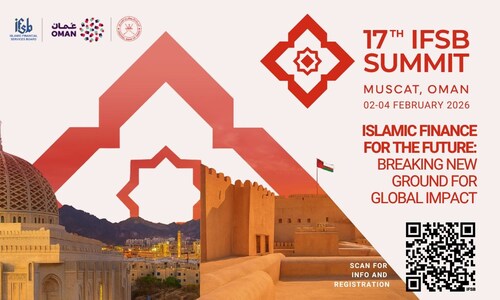
17th IFSB Summit: envisioning impact and stability

The Islamic Financial Services Board (IFSB) invites financial sector professionals to the 17th IFSB Summit, slated to take place from 2 to 4 February 2026 in Muscat, Oman. 

Source: IFSB. Poster for the  IFSB Summit 2026.
Source: IFSB. Poster for the  IFSB Summit 2026.

Hosted by the Central Bank of Oman, the summit brings together policymakers, regulators and global thought leaders to examine how the industry can respond to fast-evolving market conditions and rising societal expectations. Governors and senior leaders from over 30 jurisdictions are expected to attend.  

Themed Islamic Finance for the Future: Breaking New Ground for Global Impact, the summit highlights how Islamic finance is transitioning from being reactive to proactive amid economic and technological disruptions. At the same time, Islamic finance is strengthening the non-bank financial sector, deepening market liquidity through sukuk development, and enhancing crisis preparedness and financial safety nets within the industry. 

Islamic finance further promotes financial inclusion, social impact, sustainability and climate resilience, alongside harnessing emerging digital technologies for a more resilient future. 

Speakers at the event are expected to help frame the industry's strategic direction and offer insights into global trends shaping Islamic finance. The lineup includes senior representatives from the International Monetary Fund (IMF), the Islamic Development Bank (IsDB), the International Association of Deposit Insurers (IADI), the World Bank, the Asian Development Bank (ADB), and the United Nations. 

Held over three days, the Summit includes a public pre-summit programme featuring broader themes on leadership, business strategies, youth empowerment, NGO engagement, and the role of credit rating agencies. These sessions capture a wider group of stakeholders and reflect the IFSB's commitment to fostering informed, inclusive and progressive discourse.

Details

Registration is free for IFSB member organisations and US$400 for non-members. With limited seats available, prospective delegates are encouraged to register early at www.ifsb.org/17thsummit 

Sunday, 11 January 2026

Muslim-focused wearables launched at CES

Muslim-focused consumer technology will appear alongside mainstream global wearables at CES 2026 as iQIBLA unveils its third-generation smart device lineup at the event. The products address daily religious practice, continuous health monitoring, and physically-demanding environments, reflecting how connected devices are increasingly being designed around real cultural and environmental needs.


Source: iQIBLA. The iQIBLA third-generation smart wearables: (from left) the Zikr Ring J03 smart ring, Qwatch S6 smart watch, and the Hajj Band.


Founded in 2021, iQIBLA created the smart dhikr (ذِكْر, remembrance of god) ring category and has since shipped more than 3.5 M devices worldwide, with particularly strong uptake across GCC markets including KSA, the UAE, and Kuwait. There has been broader adoption across the Middle East and Southeast Asia, iQIBLA said.  

The Zikr Ring J03, iQIBLA's third-generation smart ring and the first to integrate Qibla direction into a ring-based wearable. Designed for discreet, continuous use, the device supports nine dhikr channels, touch controls, text display, prayer time reminders, and daily activity tracking.

Also featured is the Qwatch S6, a third-generation Bluetooth smart watch equipped with medical-grade sensors. The device monitors heart rate, blood oxygen levels, sleep quality, physical activity, and sedentary behaviour. Alongside these health functions, it includes Quran access, prayer time reminders, qibla direction, a tasbih counter, multiple dhikr channels, and a Hijri calendar.

Completing the lineup is the Hajj Band, developed specifically for Hajj, umrah, and other high-exertion, high-density environments. The wearable continuously collects vital-sign data, uploads health information in real time, and issues alerts as physical strain increases, supporting users during prolonged walking, heat exposure, and crowd-intensive conditions.

"From the beginning, our focus has been on building technology that fits naturally into daily life," said the founder of iQIBLA, Jack Shao. 

"Many of our real-world use cases come directly from the Middle East. CES gives us a platform to show how these products sit naturally alongside the wider global consumer technology industry."

Sunday, 16 November 2025

Azentio announces 2025 AAOIFI certication for flagship core banking platform

Azentio Software, a technology enabler in the financial space, has received full certification for 2025 from the Accounting and Auditing Organization for Islamic Financial Institutions (AAOIFI) for its flagship Islamic core banking platform iMAL.

This marks the 16th consecutive year that iMAL has achieved AAOIFI certification. 

"We are pleased to conclude the review of the latest version of iMAL for the year 2025," said Omar Mustafa Ansari, Secretary General of AAOIFI. 

"IMAL's proactive approach to compliance with AAOIFI's Shariah and Financial Accounting Standards, including (the) upcoming FAS 44, 45, 46, and 47, demonstrates its commitment to providing the best shari'ah-compliant solution for customers, thereby enhancing the credibility and trust in the Islamic finance industry. Our partnership with Azentio is a vital pillar in advancing the global Islamic finance industry."

Built specifically for Islamic financial institutions, iMAL is trusted by leading banks across the Middle East, Africa, and Asia to support shari'ah-compliant operations from end to end, including customer onboarding, product structuring, accounting, and reporting. 

Azentio's in-house Shari'ah Compliance Team continuously tracks updates to AAOIFI standards and exposure drafts, ensuring iMAL evolves in lockstep with regulatory shifts and emerging market needs. The latest release of iMAL also includes the new Musaqat product, which is tailored for the Islamic finance sector to meet the needs of the irrigation industry. 

Khaled Berjawi, Senior VP Product Management for iMAL at Azentio said: "In a market where trust and compliance are everything, iMAL stands alone. Our continued AAOIFI certification, uninterrupted for 16 years, is more than a regulatory milestone. It reflects our deep commitment to empowering Islamic financial institutions with cutting-edge technology that is rigorously, verifiably shari'ah-compliant. 

"No other platform can make that claim. We are proud to be at the forefront of Islamic fintech, helping our clients deliver modern, compliant services that scale with demand." 

Sunday, 26 October 2025

UAE citizens, residents now able to invest in treasury sukuk

The UAE has made shari'ah-compliant treasury sukuk (T-sukuk), which were previously available only to institutional investors, accessible to all citizens and residents in the UAE, the Emirates News Agency (WAM) has reported.

Retail Sukuk, a new initiative from the UAE Ministry of Finance (MoF), enables individual investors to invest in shari'ah-compliant, government-backed T-sukuk through fractionalised digital investment platforms operated by participating banks in the country.

The initiative seeks to promote financial inclusion and expand the investor base for government financial instruments by enabling citizens and residents to invest easily and securely in line with Islamic principles. It also seeks to stimulate long-term investment in T-sukuk as a secure and sustainable savings tool. 

Retail sukuk are denominated in AED and linked to government-backed T-sukuk already traded in the market and designated for institutional investors. Investments of AED4,000 and up are accepted.

HH Sheikh Maktoum bin Mohammed bin Rashid Al Maktoum, First Deputy Ruler of Dubai, Deputy PM and Minister of Finance of the UAE was quoted by WAM: “The Retail Sukuk initiative reflects the UAE’s vision and its leadership’s directives to empower the community and enhance participation in the national development journey through financial policies that prioritise human wellbeing. Launched within the framework of the Year of Community, the initiative opens new horizons for citizens and residents to contribute to shaping the future through secure, government-backed investment instruments.”

He added that the MoF seeks to "transform investment in government bonds into an accessible, comprehensive digital experience, enabling all segments of society to access high-quality financial instruments that were previously limited to institutional investors" with the initiative. "This represents a strategic step towards advancing financial inclusion and promoting a culture of long-term savings, ensuring the sustainability of the UAE’s financial resources and supporting development goals across various sectors,” he added.

Mohamed bin Hadi Al Hussaini, UAE Minister of State for Financial Affairs said: “The Retail Sukuk initiative represents a qualitative leap in the development of government investment instruments, enhancing individual participation in economic growth and providing a direct avenue to contribute to the national development journey. This initiative realises the Ministry of Finance’s vision of building an innovative financial environment that provides secure, sustainable investment solutions that benefit the entire community.”

He added, “The initiative aligns with the objectives of the Year of Community by promoting responsible saving habits and increasing financial awareness across all segments of society. It also reflects the spirit of partnership between the public and private sectors in fostering the values of giving and active economic participation, contributing to building a balanced, sustainable economy that serves future aspirations.”

Details

Investment in retail T-sukuk will be available through participating banks, with the name of the first bank to be announced on 3 November 2025. 

Sunday, 21 September 2025

Malaysia, Zetrix AI to build global standards for shari'ah-compliant AI

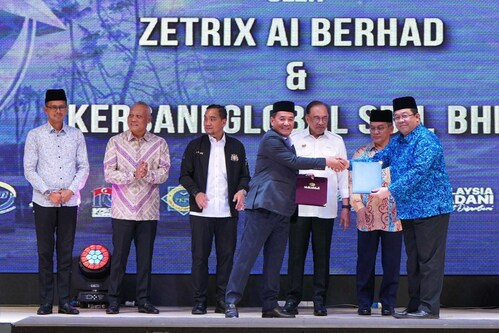
Source: Zetrix. Signing ceremony for the letter of intent between Zetrix AI and the Malaysian government via the PM's Department (Religious Affairs). Front row: Datuk Mohd Jimmy Wong Abdullah, Director of Zetrix AI (left) and Dato’ Dr Sirajuddin Suhaimee, Director General of Department of Islamic Development Malaysia (JAKIM) (right). Back row, from left: witnesses YB Tuan Haji Mohd Fared bin Khalid, Chairman of the Johor State Islamic Religious Affairs Committee; YB Dato’ Haji Asman Shah bin Abd. Rahman, Secretary of the Johor State Government; YAB Dato’ Onn Hafiz bin Ghazi, Chief Minister of Johor; YAB Dato’ Seri Anwar bin Ibrahim, PM of Malaysia; and YB Senator Dato’ Setia Dr Haji Mohd Na’im bin Haji Mokhtar, Minister in the PM's Department (Religious Affairs).


Zetrix AI, developer of the world's first shari'ah-aligned large language model (LLM) NurAI and Malaysia's PM's Department (Religious Affairs) have signed a letter of intent (LoI) to collaborate on establishing a global framework for shari'ah compliance, certification and governance in AI. 

With the collaboration, Malaysia's Department of Islamic Development JAKIM, under the Ministry's leadership, will play a central role in guiding the certification, governance and ethical standards of NurAI, ensuring its alignment with Islamic principles.

Malaysia has consistently ranked first in the Global Islamic Economy Indicator, reflecting its leadership not only in halal certification but also in Islamic finance, food and education. JAKIM is internationally recognised as the gold standard in halal certification, accrediting foreign certification bodies across nearly 50 countries. By integrating emerging technologies such as AI and Blockchain to enhance compliance and monitoring, Malaysia continues to set holistic benchmarks for the global Islamic economy, Zetrix noted.

This milestone also underscores the need for an AI platform rooted in Islamic ethics, while positioning Malaysia as a global leader in ethical and shari'ah-compliant AI and a pioneer of international benchmarks. The initiative also reflects the country's halal and digitalisation agendas, ensuring AI remains trusted, secure, and representative of Muslim values while serving more than 2 billion people worldwide, Zetrix added.

At the ceremony PM YAB Dato' Seri Anwar Ibrahim reinforced that national policies should incorporate various inputs, including digitalisation and AI — and must always remain grounded in Islamic principles and values that deserve emphasis.

Through the LoI, Zetrix AI and the government via JAKIM propose to collaborate in three key areas:

- Shari'ah certification and governance: Developing frameworks, ethical guidelines and certification standards for AI systems rooted in Islamic principles. 

- Global advocacy and promotion: Positioning Malaysia as the global centre of excellence for Islamic AI and championing the global Islamic digital economy, at US$5.74 T by 2030.

- JAKIM's official channel on NurAI: Creating a trusted platform for Islamic legal rulings, halal certification and verified shari'ah guidance, combating misinformation through AI. 

NurAI is developed in Malaysia, supporting Bahasa Melayu, English, Indonesian and Arabic. It complies with national data sovereignty and cybersecurity policies, reducing reliance on foreign tools while ensuring AI knowledge stays local, trusted, and secure.

Explore

Download NurAI at nur-ai.zetrix.com

Sunday, 24 August 2025

Singapore PM releases further details about upcoming Islamic College

Singapore PM and Minister for Finance Lawrence Wong has shared more details about the Singapore College of Islamic Studies (SCIS) in his National Day Rally 2025 speech on 17 August 2025.

Speaking in Malay, PM Wong shared that the Islamic Religious Council of Singapore (MUIS) has been working with local and overseas partners to develop a curriculum for the SCIS.

"Tonight, I am happy to announce that SCIS will have its own campus. It will be located next to the Singapore University of Social Sciences (SUSS) campus in Rochor. SCIS and SUSS will be housed in their own buildings, which will reflect their own unique identity and purpose," he said.

"SCIS students will be able to take SUSS’s social science courses as part of their studies. Both institutions will also share facilities. This way, students from both institutions can better interact with one another, enriching their campus lives."

MUIS announced on Facebook that the new SCIS campus will feature Islamic architectural elements and dedicated Islamic studies facilities in addition to shared spaces with SUSS, including its library and recreational areas. There will also be collaborative research and project opportunities for SCIS and SUSS faculty members.

Mufti Dr Nazirudin Mohd Nasir, who is also head of the SCIS Steering Committee, said the strategic location of the campus would help prepare asatizah with skills to handle increasingly complex challenges ahead, and that the proximity of the two institutions would facilitate exchanges in expertise, skills and perspectives.

SCIS will welcome its first 60 students at the interim Bencoolen campus in 2028 while the new campus is being built.

The Singapore Muslim community currently lacks a national institution of higher learning to complete the Islamic learning journey begun by the establishment of full-time madrasahs. The concept of an SCIS had been mentioned as early as 2016, and as recently by PM Wong as 2024, where he said in his National Day Rally 2024 speech that the SCIS "will nurture our future Singapore Islamic leaders". 

He later shared on LinkedIn that the SCIS will offer two full-time degree pathways: Islamic Studies and Social Sciences. "...So students can choose to graduate and become religious teachers, or they can join the social sector," he said in late 2024.

MUIS has announced the establishment of Singapore College of Islamic Studies’ (SCIS) Board of Governors (BOG) in November 2024. The BOG leads the strategic oversight of the college and is chaired by Abdullah Tarmugi.

The advisory panel for the Singapore College of Islamic Studies (SCIS) gathered for its inaugural meeting in Singapore on 24 June 2025. There are 10 experts in the panel, which is chaired by Acting Minister-in-charge of Muslim Affairs in Singapore, Associate Professor Muhammad Faishal Ibrahim, including HE Dr Nazir Ayyad, the Grand Mufti of Egypt, and Dr Salama Dawood, President of Al Azhar University.

SCIS has partnerships with SUSS, Egypt's Dar al-Ifta, the University of Jordan, and Al-Qarawiyyin University of Morocco to enhance interdisciplinary learning, cultural exchange, language skills, and Islamic scholarship, enriching students' education and careers.

MUIS sees the SCIS-SUSS partnership as presenting opportunities to foster interdisciplinary learning, cultural exchange, and networking between students from both institutions.

MUIS further hopes that collaborating with Dar al-Ifta, an Islamic advisory, justiciary and governmental body, will allow SCIS graduates to gain advanced standing in Dar al-Ifta's Professional Diploma Programme in Fatwa Studies.

The University of Jordan is to offer SCIS students opportunities for Arabic language immersion and cultural exchange, broadening their understanding of Islamic scholarship in a global context as well.

SCIS’s partnership with Al-Qarawiyyin University is expected to pave the way to developing new paradigms in Islamic studies that are both rooted in tradition and relevant to contemporary societies.

One of the key funding sources for the SCIS is the Wakaf Masyarakat Singapura (WMS), which receives donations at https://wakaf.sg/give-wakaf/

Hashtag: #NDR2025

Thursday, 21 August 2025

MUIS welcomes 20th Council

The Islamic Religious Council of Singapore (MUIS) has welcomed its 20th Council, which guides MUIS in overseeing Singapore’s Muslim community's socioreligious needs. Their three-year term runs from 7 August 2025 to 6 August 2028. 

Under Section 7 of the Administration of Muslim Law Act (AMLA), President Tharman Shanmugaratnam has appointed the Council members, which includes MUIS's President Mohamed Sa’at Abdul Rahman; Chief Executive Kadir Maideen; and Dr Nazirudin Mohd Nasir, the Mufti of Singapore. 

Other members were recommended by the Singapore Acting Minister-in-charge of Muslim Affairs Associate Professor Muhammad Faishal Ibrahim and President Mohamed Sa’at from nominations by various Muslim organisations. 

MUIS's new Council blends draws both senior and emerging leaders from across the education, public service, corporate, religious, and social sectors. It will see a diverse team of seven returning members and nine new appointees who will set the direction of MUIS's key initiatives and strategic thrusts in the next three years. 

Associate Professor Muhammad Faishal Ibrahim commented: “Today's rapidly changing environment requires both experienced leadership and innovative perspectives to steer our community forward and ensure that its socioreligious needs are well cared for. 

"The 20th MUIS Council embodies this balance. Collectively, their diverse expertise reflects our continued commitment to shape impactful policies and deliver targeted programmes, in tandem with our community's evolving needs. I thank the outgoing 19th Council members for their contributions. I am confident that the new Council will bring in fresh insights that will benefit MUIS and the community, and I encourage MUIS to continue strengthening its partnership with the community and its key partners.” 

Maideen stated: "The new Council's diverse expertise will bring fresh perspectives to our deliberations. As we welcome them, we thank our outgoing Council members for their leadership and dedicated service. Their achievements have laid a strong foundation, which the incoming Council will build upon to develop innovative solutions for current and future challenges." 

Ustazah Dr Siti Nur 'Alaniah Abdul Wahid, a new member of the Council said: "Our blend of new and experienced Council members creates a strong team for our Muslim community. The generous guidance offered by longer-serving members, combined with fresh perspectives from new appointees, positions us well to build on impactful and sustainable programmes while finding innovative solutions. I appreciate their support as we begin this important work together."

Monday, 18 August 2025

Zetrix AI launches world's first shari'ah-aligned LLM, NurAI

Zetrix AI, formerly known as MY EG Services, has unveiled NurAI, the world's first shari'ah-aligned, Islamic values-based large language model (LLM). NurAI offers guidance consistent with shari'ah rulings on a range of subjects. 

Developed under the guidance of a formal Shari'ah Supervisory Board, NurAI is rooted in Islamic ethics and strict shari'ah alignment on contemporary matters such as law, healthcare and finance, to classical Islamic themes that include history, Islamic philosophy and Quranic studies. 

NurAI offers Muslim-majority nations and Muslim communities an alternative to existing Western and Chinese AI models, which often lack alignment with Islamic values and the development priorities of the Global South, Zetrix said, explaining that 2 billion Muslims support a US$3 trillion Islamic economy and seek AI tools that align with their cultural values, religious principles, and development priorities. NurAI also supports the growing demand for AI sovereignty and shari'ah-aligned technology from governments and institutions across Malaysia, Indonesia, and the Gulf Cooperation Council (GCC).

Beyond consumer adoption, NurAI lays the groundwork for broader digital Islamic economy infrastructure across halal trade, supply chain, Islamic finance, and governance, thereby advancing AI sovereignty in emerging markets, the company added.

"This is a prime example of how we can harmonise religion and technology for the benefit of the ummah and the advancement of the nation. I would like to call on all parties, including the government, private sectors, financial institutions, and religious bodies, to give full support to the development and expansion of technologies like NurAI," said YAB Dato' Seri Dr. Ahmad Zahid bin Hamidi, Deputy PM of Malaysia. 

The team behind the development of NurAI will establish a shari'ah-aligned framework in collaboration with key religious bodies, including the Malaysian Islamic Development Department (JAKIM), Indonesian Ulama Council (MUI), International Islamic Fiqh Academy (IIFA), and Al-Azhar University in Egypt. 

NurAI will also serves as a foundational LLM upon which advanced agentic and domain-specific generative AI can be built, enabling tailored solutions for real-world applications in sectors such as Islamic finance, education, governance, and halal industry regulation. 

Unique to NurAI are channels that enable users to interact with avatars modelled after experts across various fields. Trained with exclusive datasets, these channels reflect the experts' unique knowledge and teaching philosophy and will provide deeper insights, especially on topics that require careful interpretation and understanding. 

The NurAI team will provide an Islamic finance channel in partnership with INCEIF University, an affiliate of Bank Negara Malaysia, in addition to channels by leading Islamic scholars from around the world.

NurAI is available in Malay, Indonesian, Arabic, and English across both desktop and mobile platforms. The desktop version can be accessed at https://nur-ai.ai.

"The rollout of NurAI is designed to be phased and progressive. It will begin with a freemium B2C app in Malaysia and Indonesia, offering general shari'ah guidance alongside premium features such as inheritance calculators and medical bioethics advice. The second phase will focus on institutional integration via B2B and B2G models, enabling implementation of NurAI into the daily operations of Islamic financial institutions, fintechs, halal certification bodies and shari'ah legal authorities," said Datuk Mohd Jimmy Wong Bin Abdullah, Director of Zetrix AI.

Source: Zetrix AI. Source: Zetrix AI. Dato’ Fadzli Shah, Co-Founder of Zetrix AI, demonstrating NurAI.

Headquartered in Malaysia, Zetrix AI is deploying Blockchain and AI technology across ASEAN. It is also committed to developing responsible, values-based digital infrastructure for Muslim communities worldwide. The company is embracing the convergence of Web 3, AI and robotics to enable optimally-efficient, intelligent and secure cross-border transactions, digital identity interoperability and automation solutions that seamlessly connect peoples, businesses and governments. 

Sunday, 3 August 2025

Azentio digitally transforms Boubyan Bank's customer experience

Boubyan Bank, one of the leading Islamic banks in Kuwait and the GCC region has upgraded Azentio iMAL, marking a major milestone in its digitalisation journey to improve operational efficiency and elevate customer experience. The move has helped elevate customer experience across different channels, helping the bank achieve a 42% improvement in response time.

Azentio iMAL is an AAOIFI-certified Islamic banking platform, designed to empower financial institutions with solutions for retail, corporate, and investment banking. With iMAL, banks can deliver ethical, inclusive, and scalable services, while ensuring compliance with shari'ah principles.

The latest upgrade has empowered Boubyan Bank to overcome key operational challenges, delivering substantial efficiency gains that align with the bank's commitment to innovation and customer-centricity. Aarthi Ramesh, Chief Customer Officer at Azentio said: "Our enduring partnership with Boubyan Bank is a testament to our shared vision of innovative and shari'ah-compliant banking. The recent enhancements to the iMAL core banking system underline Azentio's unwavering commitment to developing solutions that address evolving customer needs and enable excellence in service delivery."

Abdulla AlKhuzam, CIO, Boubyan Bank, commented: "With a 42% improvement in response time, the recent upgrade has revolutionised our operations at Boubyan Bank, allowing us to tackle critical challenges and achieve remarkable efficiency improvements. Our customers will also benefit from the new enhancements including a 52.5% reduction in salary posting time, a 15% boost in CPU efficiency, and an over 80% decrease in database blocking and session times. These advancements have greatly enhanced our system performance, enabling us to better serve our customers and further our mission of delivering top-tier Islamic banking services."

Database blocking refers to blocking new change requests while changes are being made to part of the database so as to prevent conflicts.